

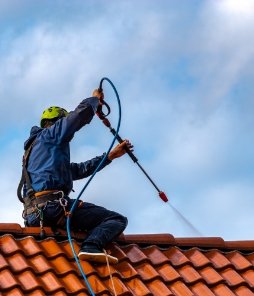

A freshly restored roof looks solid. Clean tiles. Sharp lines. Everything sealed and painted.
From the outside, it feels finished.
But here’s the uncomfortable reality many Melbourne homeowners only learn the hard way: a roof can be visually restored and still be structurally vulnerable.
Across Australia, industry data shows that nearly one in three roof-related repair callouts involve pest damage. Birds nesting under tiles, rodents chewing insulation and wiring, possums lifting ridge caps. None of it is obvious at first. All of it is expensive later.
That’s why a modern roof restoration project that doesn’t include pest proofing isn’t finished. This doesn’t mean that the project isn’t complete.
This article breaks down what pest proofing actually means, why it matters during roof restoration, and how it protects your home long after the scaffolding comes down.
What Roof Pest-Proofing Really Involves
Roof pest proofing isn’t a spray, a repellent, or a temporary deterrent. It’s a structural exclusion process designed to stop pests from entering your roof cavity in the first place.
During a roof restoration, you can see several access points that may not have been visible in decades. These are things like ridge lines, valleys, tile overlaps, and places where the roof meets the walls or eaves. These places are open to attack without protection.
Effective pest proofing for roofs in Melbourne focuses on sealing, reinforcing, and physically blocking access using durable materials that withstand weather, heat, and pest pressure.
This is why pest proofing works best during restoration, not after it.
Why Pest-Proofing Must Be Part of Roof Restoration
Roof restoration changes the surface of your roof. Pest proofing protects what’s underneath.
When tiles are rebedded or realigned, even small gaps can form. To a homeowner, they’re invisible. To a bird or rodent, they’re an entryway.
Once pests enter inside the roof space, damage escalates quietly. Insulation is shredded for nesting. Moisture becomes trapped. Electrical wiring is chewed. Timber absorbs contaminants. According to energy efficiency studies, damaged insulation alone can increase household heating and cooling costs by up to 40%.
This is why roof restoration with pest prevention isn’t about being cautious. It’s about protecting the investment you’ve already made.
The Most Common Roof Pests Affecting Melbourne Homes
Melbourne’s climate and housing styles create ideal conditions for roof-dwelling pests. Each causes different types of damage, and each requires a specific prevention approach.
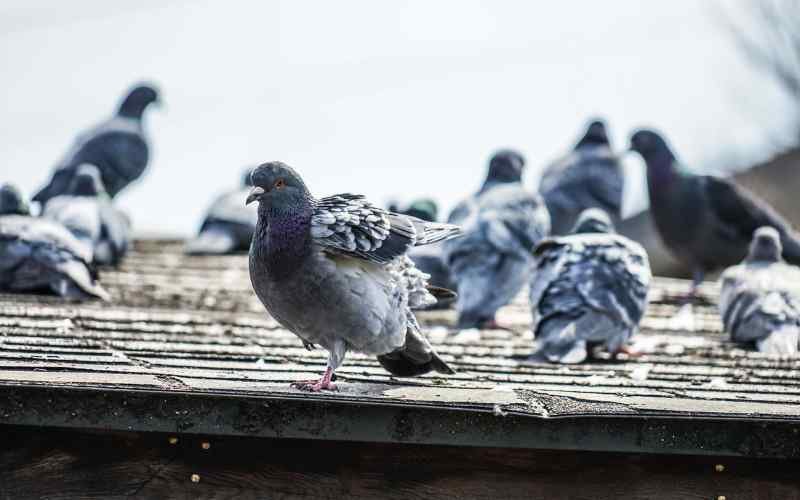
Birds are the most visible problem. Pigeons, starlings, and other birds commonly nest beneath tiles and solar panels. Their droppings are acidic and accelerate roof surface degradation. Bird-proofing roof services in Melbourne are becoming more and more common in high-quality restorations because of this trend.
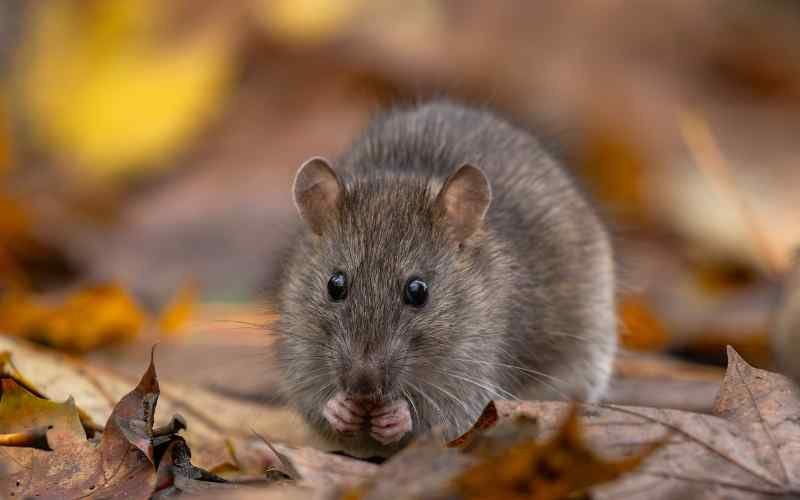
Most homeowners don’t know how much damage rodents can do. Rats and mice that live in roofs chew all the time. There are no limits on wiring, insulation, or wood battens. This is why proper roof rodent proofing in Melbourne is more about keeping them out than luring them in.
Possums, while protected, are persistent. They dislodge tiles, compress insulation, and create repeated access points that worsen over time.
How Pests Enter Roof Spaces (And Why Restoration Exposes Weaknesses)
Pests don’t force their way in. They take advantage of what’s already there.

Most roof entry points come from:
- Gaps beneath ridge capping
- Poorly sealed valleys and flashing
- Lifted or cracked tiles
- Open eaves and fascia joins
- Solar panel edges without mesh
- Aging mortar and bedding
During Melbourne roof pest control projects, these areas often become exposed mid-restoration. Without pest protection installed at that stage, the roof may look sealed but remain accessible.
That’s why experienced contractors integrate professional roof pest proofing directly into restoration workflows.
How Pest-Proofing Is Integrated Into a Proper Roof Restoration
A good restoration treats pest-proofing as part of the building, not something that comes later.
The process begins with a detailed inspection. This isn’t just about spotting existing nests. It’s about identifying pressure points where pests are likely to return.
Once restoration work begins, pest-proofing measures are installed progressively, not rushed at the end.
Key measures typically include:
- Stainless steel mesh at ridge lines and valleys
- Tile overlap reinforcement to prevent lifting
- Sealing roof-to-wall junctions
- Gutter guard integration
- Flashing reinforcement around penetrations
These steps form the backbone of effective roof pest-proofing services.
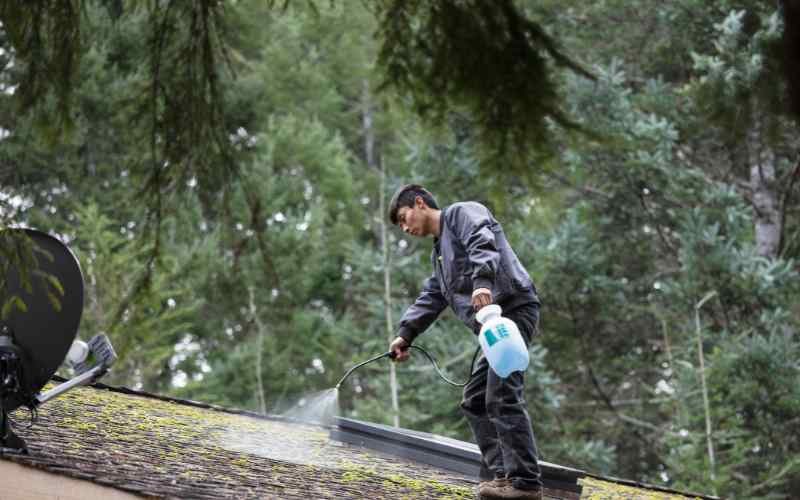
Homes with solar panels require additional protection. Without mesh, panels create warm, sheltered nesting zones. Proper solar panel bird proofing allows airflow while blocking access completely.
What Happens When Pest-Proofing Is Skipped
Skipping pest proofing rarely causes immediate problems. That’s what makes it risky.
In the first few months, everything seems fine. Then subtle signs appear:
- Scratching or movement sounds at night
- Rising energy bills
- Gutter overflow despite cleaning
- Ceiling discolouration
Most of the time, the problem has gotten worse by the time you can see damage. Many homeowners need roof repair services again, not because the repair didn’t work, but because the protection wasn’t complete.
This cycle is one of the most common reasons restored roofs require premature attention.
Cost vs Long-Term Value
From a financial perspective, pest proofing is one of the highest ROI additions to roof restoration.
Typically:
- Pest proofing adds 5–10% to restoration costs
- Pest-related roof damage can exceed $10,000 over time
When installed during restoration, pest proofing is faster, more effective, and far more affordable than retrofitting later.
That’s why demand for roof restoration in Croydon and pest-proofing services in Melbourne continues to grow.
Choosing the Right Provider Matters
Not all pest-proofing approaches are equal.
Quality providers focus on:
- Physical exclusion rather than chemical deterrents
- Long-term materials suited to Australian conditions
- Local pest behaviour patterns
- Seamless integration with restoration work
Whether you’re considering roof repairs in Mulgrave, these principles apply universally.
Reach Out To Us For Roof Restoration
Why Modern Roof Restoration Is About More Than Looks
A roof does more than keep rain out.
It protects wiring.
Regulates temperature.
Supports insulation.
Preserves structural timber.
Letting pests inside messes up all of these functions. That’s why people now view strategies to prevent birds from nesting on roofs and properly installed mesh systems as necessities rather than upgrades. This is especially true during roof restoration in Mulgrave, where long-term protection is just as important as the look of the roof.
Homeowners are asking better questions. They want to know:
- Does roof restoration include pest control?
- How do pests damage roofs long-term?
- What’s the smartest way to protect a restored roof?
The answers are reshaping industry standards.
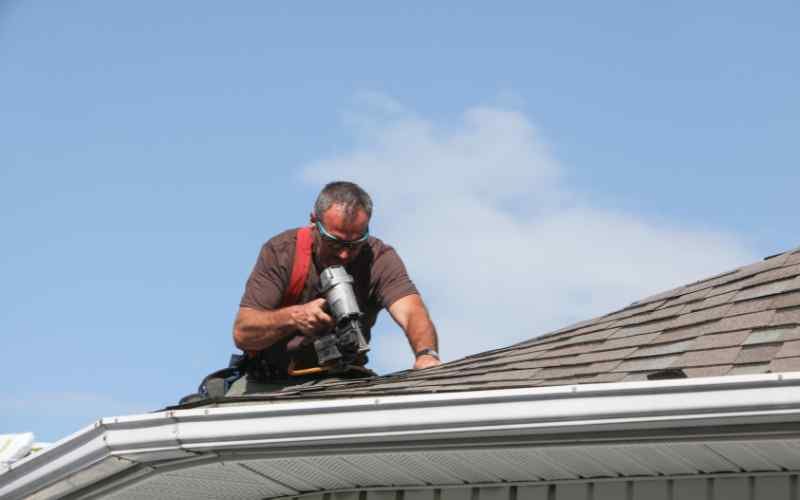
Restore Once. Protect for Years.
A roof restoration should deliver confidence, not hidden vulnerabilities.
Pest proofing isn’t about paranoia.
It’s about foresight.
When done correctly, it:
- Extends roof lifespan
- Protects insulation and wiring
- Reduces ongoing maintenance
- Improves energy efficiency
- Prevents repeat damage
That’s why experienced Melbourne homeowners are choosing Eufouria. They know that a roof isn’t really fixed until it’s protected from the inside and out.
Also Read: How Gutter Pitch Errors Lead to Roof Valley Damage
-
 October 12,2026
Signs Your Roof Coating Has Failed and Needs Recoating
-
 August 14,2026
Dark Ceiling Stains After Rain: Causes And First Steps
-
 July 6,2026
Ageing Roofs in Melbourne Homes: Repair Now or Wait It Out
-
 June 10,2026
Cracked roof tiles vs. damaged ridge caps: repair differences and costs
-
May 18,2026
How to Extend the Life of an Aging Roof
-
April 7,2026
How Wind Lifts Roof Tiles (And How to Prevent It)
-
March 13,2026
Roof Flashing Around Chimney Is Leaking
-
February 3,2026
Possum vs. Roofer: Who is Actually Responsible for That Hole?
-
December 19,2025
How Gutter Pitch Errors Lead to Roof Valley Damage
-
November 27,2025
How to Spot a Dodgy Roof Quote in Melbourne
-
November 13,2025
Maintenance Tips for Slatted Roof Systems in Melbourne
-
October 30,2025
Colour & Style Trends for Roofing in Melbourne
-
October 7,2025
How to Prevent & Fix Flat Roof Leaks in Melbourne
-
September 29,2025
Role Of Ember Attack In Roof Ignition & How To Prevent It
-
September 16,2025
Roof Ventilation and Repairs: Why Melbourne Homes Overheat
-
August 19,2025
Roof Leak or Plumbing Leak? How to Tell the Difference in Homes
-
August 4,2025
Gutter and Roof Safety Tips Before Bushfire Season in Victoria
-
July 18,2025
The Ultimate Roof & Gutter Maintenance Checklist for Melbourne Homeowners
-
July 9,2025
Guide to Roof Tile Types in Australia and How to Repair Them
-
June 26,2025
Metal vs. Asphalt: Which Roofing Material Lasts Longer?
-
June 6,2025
Drones in Roofing: How We Inspect Roofs Safely and Quickly in Melbourne
-
May 14,2025
5 Common Roof Problems in Coastal Areas (and How to Prevent Them)
-
April 16,2025
Dealing with Gutter Blockages During Melbourne’s Rainy Season: Repair Tips & Tricks
-
March 27,2025
Tile Roof Restoration – Key Signs Your Tiled Roof Needs Attention
-
March 7,2025
How to Get Your House Ready for Roof Restoration
-
February 28,2025
Why Is Your Roof Paint Peeling? Top Causes and Solutions
-
February 10,2025
The Importance of Roof Inspections Before Buying a Home in Melbourne
-
January 15,2025
Heat-Reflective Roof Restoration Coatings Lower Energy Bills
-
January 9,2025
The Hidden Dangers of Roof Mould: How It Affects Your Home and Health
-
December 26,2024
Why Melbourne’s Summer Is the Ideal Season for Roof Restoration
-
December 17,2024
Rooftops Around the World: Comparative Analysis With Australia’s Superior Guidelines
-
November 25,2024
Why Gutter Cleaning in Melbourne is Crucial Before the Winter Season
-
October 19,2024
Common Roof Problems in Melbourne: Causes and Effective Solutions
-
September 30,2024
Roof Repair Signs: What Every Melbourne Homeowner Should Know
-
September 23,2024
Tips to Maintain and Extend the Life of Your Restored Roof in Melbourne
-
August 26,2024
The Complete Guide for Roof Inspections and Restorations
-
August 12,2024
Restoration vs. Repairs: Choose the Right One for Your Home


