



You can extend the life of an aging roof in Melbourrne by combining regular seasonal maintenance, early treatment of moss and tile damage, and timely professional restoration. All without the cost of a full replacement.
Most Melbourne homeowners don’t think about their roof until water appears on the ceiling. By then, a $400 fix has usually become a $4,000 problem.
An aging roof doesn’t fail overnight. It deteriorates gradually, through Melbourne summers that push UV exposure to some of the highest in the world. And through storm seasons that batter tiles and flashings, through years of moss and lichen quietly lifting the surface that keeps your home dry. Melbourne’s distinct four-season climate accelerates wear in ways that generic roofing advice simply doesn’t account for.
This guide covers exactly what Melbourne homeowners should be doing, and when. From a seasonal maintenance calendar built around Melbourne’s weather patterns, to an honest breakdown of when restoration makes more financial sense than replacement. Whether your home was built in the 1970s in Ringwood or the 1990s in Point Cook, the principles are the same: catch it early, act on it properly, and your roof can last decades longer than most people expect.
Why Melbourne’s Climate Is Especially Hard on Roofs
Melbourne’s weather is uniquely punishing on roofing materials. The city experiences four distinct seasons and sometimes within the same week. This thermal cycling causes roofing materials to expand and contract repeatedly, weakening mortar, cracking tiles, and lifting ridge capping over time.
UV and summer heat
Melbourne receives a UV index regularly hitting 11–12 in summer — classified as extreme. This UV radiation breaks down roof coatings, bleaches tiles, and degrades the protective layer that keeps moisture out. Dark-coloured roofs absorb heat and expand significantly on hot days, then contract sharply when temperatures drop overnight.
Storm season and wind damage
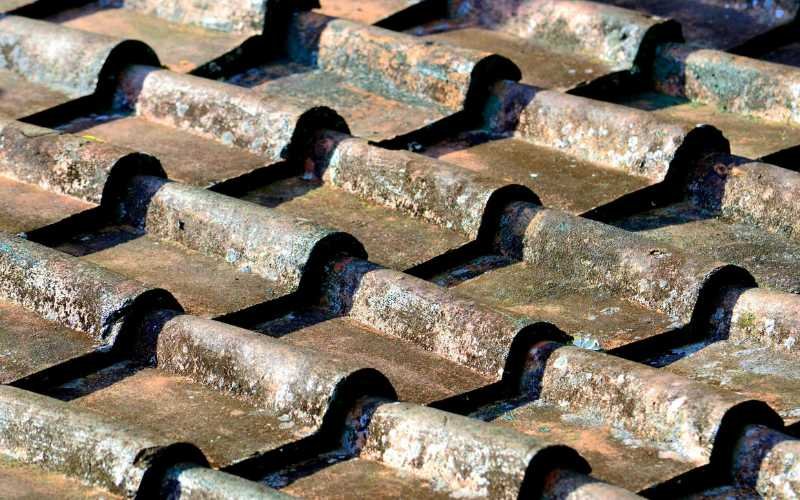
Melbourne’s spring storm season brings hail, heavy rainfall, and strong winds. Homes in the outer east suburbs sit in a well-known hail corridor. A single storm event can crack tiles, dislodge ridge capping, and clog gutters, all of which accelerate deterioration if not addressed promptly.
Moss, lichen, and biological growth
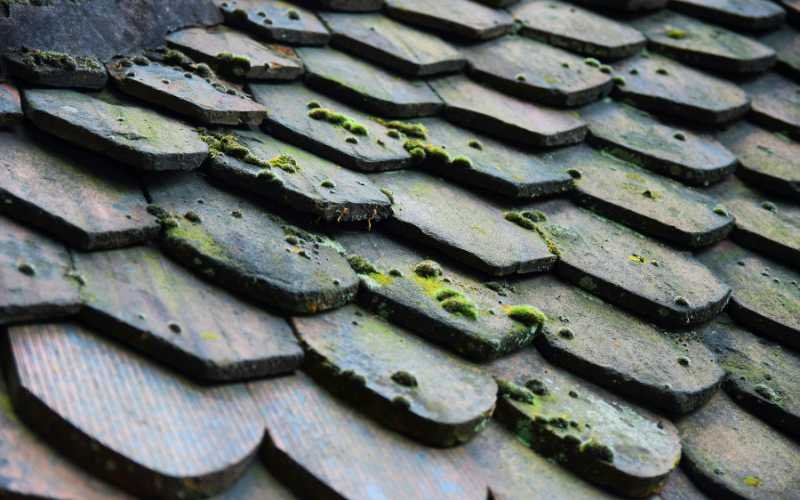
Melbourne’s wet winters and shaded rooflines create ideal conditions for moss and lichen growth. These creatures are more than just decorative; they hold moisture against the tile’s surface, causing it to gradually deteriorate from below. This is often the driving force behind roof restoration in Blackburn: decades of biological development beneath the suburb’s thick, established canopy causes surface deterioration that cleaning is no longer able to stop.
How long should a Melbourne roof last?
Roof lifespan depends heavily on material and maintenance history:
- Terracotta tiles: 50+ years with proper maintenance and periodic re-bedding
- Concrete tiles: 30–50 years, though the surface coating degrades faster
- Colorbond steel: 30–40 years with regular inspections and touch-up painting
- Corrugated iron (older homes): 20–30 years, often requiring restoration by year 15–20
Melbourne’s housing stock is highly skewed towards the 1960s and 1990s, which means that many local residences have roofs that are between 30 and 60 years old. This puts the city well into the zone where taking preventative measures pays off.
The Cost of Doing Nothing
The most expensive thing a homeowner can do is ignore a small roofing problem. What starts as a minor issue compounds quickly once water is involved.
| Issue | Fix now (approx.) | If ignored 2+ years | Likely result |
| Cracked ridge capping | $300–$500 | $2,500–$5,000+ | Water ingress, ceiling damage, structural rot |
| Broken or slipped tile | $150–$300 | $1,500–$3,000+ | Leak spreading to sarking and timbers |
| Blocked gutters | $150–$250 | $800–$2,000+ | Overflow, fascia rot, wall dampness |
| Moss and lichen growth | $400–$700 | $3,000–$6,000+ | Tile surface breakdown, premature replacement |
| Failed flashing | $250–$500 | $2,000–$4,500+ | Persistent leaks at joins and valleys |
These figures are approximate and vary by roof size and extent of damage. The pattern is consistent: early intervention costs a fraction of delayed repair. It’s a reality Eufouria sees often, roof restoration in Croydon is regularly more extensive and costly than it needed to be, simply because storm and hail damage went undetected for one or two seasons too long.
Your Melbourne Roof Maintenance Calendar
Generic maintenance advice tells you to “inspect your roof twice a year.” That’s not wrong, but it’s not specific enough to be useful. Melbourne’s seasons each create distinct risks.
Autumn (March–May) – Clear and prepare
Autumn is the most important maintenance window. You’re preparing the roof for winter rainfall before it arrives.
- Clear gutters and downpipes of leaf debris – blockages during winter rainfall cause overflow and water damage
- Inspect for tile movement or cracking from the previous summer’s heat cycles
- Check ridge capping mortar for cracking or separation – winter moisture will get in if it’s compromised
- Trim overhanging branches that shade the roof and accelerate moss growth
Spring (September–November) – Inspect and treat
Post-winter inspection is your opportunity to catch what the season exposed.
- Book a professional roof inspection to assess storm-season damage
- Use moss and lichen treatment; the best time to do so is in the spring
- Check flashing at valleys, skylights, and chimneys for lifting or cracking
- Springtime comes new dirt and pollen accumulation, so clean your gutters once more
Summer (December–February) – Protect and check coatings
Summer is about UV protection and preparing for heat-cycle stress.
- Assess roof coating condition – faded or chalky coatings offer significantly reduced UV protection
- Check for tiles cracked by hail from late-spring storm events
- Ensure ridge capping is intact before the hottest months cause maximum thermal expansion
- If restoration or repainting is planned, summer is an ideal time for application and curing
What Eufouria Checks on Every Melbourne Roof
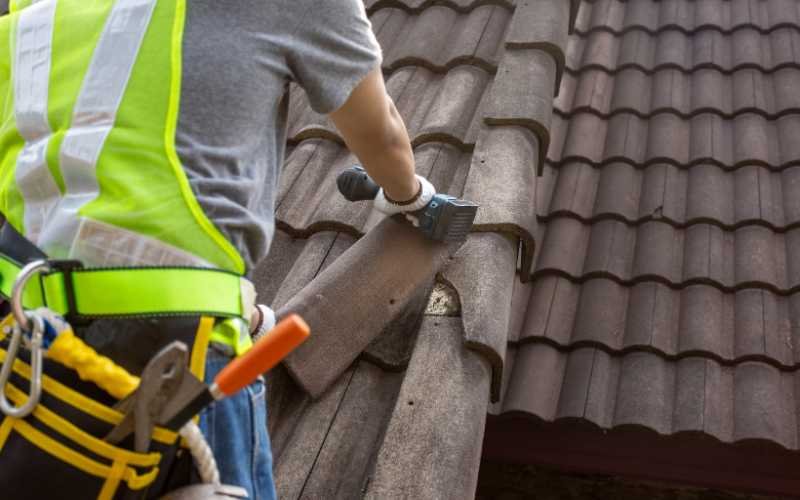
When Eufouria’s team inspects a Melbourne roof, we’re not just looking for visible damage. We’re assessing the full condition picture that tells us how much life the roof has left and what it needs to get there.
Here’s exactly what we check on every inspection:
- Ridge capping – mortar condition, cracking, and bedding integrity across the entire ridge line
- Tile surface – coating adhesion, UV degradation, cracking, breakage, and biological growth coverage
- Valleys and flashings – seal condition, rust, lifting, and water channelling effectiveness
- Gutters and downpipes – debris blockage, sagging, rust, and joint integrity
- Sarking and underlying structure – where accessible, evidence of past water ingress or timber damage
- Moss, lichen, and algae – coverage extent and penetration depth into tile surface
We don’t recommend restoration where a clean and coat will do, and we don’t recommend replacement where restoration is the right call. The goal is always to give Melbourne homeowners an honest picture of what their roof actually needs.
When to Stop Maintaining and Start Restoring
A healthy roof is maintained. However, maintenance alone can no longer keep up with deterioration after a certain amount of time, typically between 15 and 25 years for the majority of Melbourne tile roofs.
Signs your roof has moved beyond routine maintenance into restoration territory:
- Ridge capping mortar is crumbling or missing in multiple locations
- Tiles are porous, heavily stained, or showing widespread coating failure
- Moss and lichen returns within months of treatment
- You’re repairing individual tiles repeatedly in the same area
- Interior water stains appear or worsen after moderate rainfall, not just heavy storms
- The roof looks significantly more aged than neighbouring homes of the same era
If two or more of these apply, a professional inspection is the right next step. Restoration at this stage is typically 40–60% cheaper than full replacement.
Roof Restoration vs. Replacement — Melbourne Cost Guide
| Factors | Roof restoration | Roof replacement |
| Typical cost (average Melbourne home) | $3,500–$8,000 | $15,000–$35,000+ |
| Time to complete | 1–3 days | 3–7 days |
| Expected lifespan added | 15–25 years | 30–50 years |
| Best suited to | Sound structure, surface wear | Structural failure or end-of-life |
| Disruption level | Low | High |
Restoration is a cost-effective option for most Melbourne homes constructed between 1960 and 1995, as long as skilled craftspeople use high-quality materials. Roof restoration in Doncaster is a strong example of this: most homes in the area have structurally sound frames beneath surface coatings that have simply reached end of life, making restoration the right call over a costly full replacement.
Get a Professional Assessment Before You Decide
The best decision you can make for an aging Melbourne roof is to get a proper inspection before committing to any course of action. What looks like a failing roof from the street is sometimes a straightforward restoration job. What looks like a minor issue from inside the house can occasionally signal something more serious underneath.
Eufouria provides detailed roof assessments across Melbourne. Whether it’s a clean and re-coat, a complete roof restoration, or, in exceptional circumstances, replacement, we inspect, report truthfully, and only suggest what the roof truly needs.
Make an appointment for your inspection with Eufouria right now to learn more about your roof’s current state and what will be required to maintain it for the next 20 years.
-
 August 14,2026
Dark Ceiling Stains After Rain: Causes And First Steps
-
 July 6,2026
Ageing Roofs in Melbourne Homes: Repair Now or Wait It Out
-
 June 10,2026
Cracked roof tiles vs. damaged ridge caps: repair differences and costs
-
 April 7,2026
How Wind Lifts Roof Tiles (And How to Prevent It)
-
March 13,2026
Roof Flashing Around Chimney Is Leaking
-
February 3,2026
Possum vs. Roofer: Who is Actually Responsible for That Hole?
-
January 12,2026
Why Your Roof Restoration Must Include Pest-Proofing
-
December 19,2025
How Gutter Pitch Errors Lead to Roof Valley Damage
-
November 27,2025
How to Spot a Dodgy Roof Quote in Melbourne
-
November 13,2025
Maintenance Tips for Slatted Roof Systems in Melbourne
-
October 30,2025
Colour & Style Trends for Roofing in Melbourne
-
October 7,2025
How to Prevent & Fix Flat Roof Leaks in Melbourne
-
September 29,2025
Role Of Ember Attack In Roof Ignition & How To Prevent It
-
September 16,2025
Roof Ventilation and Repairs: Why Melbourne Homes Overheat
-
August 19,2025
Roof Leak or Plumbing Leak? How to Tell the Difference in Homes
-
August 4,2025
Gutter and Roof Safety Tips Before Bushfire Season in Victoria
-
July 18,2025
The Ultimate Roof & Gutter Maintenance Checklist for Melbourne Homeowners
-
July 9,2025
Guide to Roof Tile Types in Australia and How to Repair Them
-
June 26,2025
Metal vs. Asphalt: Which Roofing Material Lasts Longer?
-
June 6,2025
Drones in Roofing: How We Inspect Roofs Safely and Quickly in Melbourne
-
May 14,2025
5 Common Roof Problems in Coastal Areas (and How to Prevent Them)
-
April 16,2025
Dealing with Gutter Blockages During Melbourne’s Rainy Season: Repair Tips & Tricks
-
March 27,2025
Tile Roof Restoration – Key Signs Your Tiled Roof Needs Attention
-
March 7,2025
How to Get Your House Ready for Roof Restoration
-
February 28,2025
Why Is Your Roof Paint Peeling? Top Causes and Solutions
-
February 10,2025
The Importance of Roof Inspections Before Buying a Home in Melbourne
-
January 15,2025
Heat-Reflective Roof Restoration Coatings Lower Energy Bills
-
January 9,2025
The Hidden Dangers of Roof Mould: How It Affects Your Home and Health
-
December 26,2024
Why Melbourne’s Summer Is the Ideal Season for Roof Restoration
-
December 17,2024
Rooftops Around the World: Comparative Analysis With Australia’s Superior Guidelines
-
November 25,2024
Why Gutter Cleaning in Melbourne is Crucial Before the Winter Season
-
October 19,2024
Common Roof Problems in Melbourne: Causes and Effective Solutions
-
September 30,2024
Roof Repair Signs: What Every Melbourne Homeowner Should Know
-
September 23,2024
Tips to Maintain and Extend the Life of Your Restored Roof in Melbourne
-
August 26,2024
The Complete Guide for Roof Inspections and Restorations
-
August 12,2024
Restoration vs. Repairs: Choose the Right One for Your Home


