



“Water is the most persistent force in home damage – it finds every weakness.”
That quote from a building inspector I once met replayed in my mind as I reviewed a roof in Melbourne last winter. The homeowner had restored their roof just two years earlier. Fresh paint. New pointing. Clean tiles. Yet water stains were creeping along their ceiling, and moisture had begun to spread beneath the insulation.
The culprit? Not the roof tiles. Not the flashing. Not even the valley metal.
It was a gutter pitch error, a simple misalignment that caused water to overshoot, backflow, and pool in the roof valley until it eventually forced its way inside.
Here’s the surprising part.
According to property maintenance reports across Victoria, over 32% of roof valley leaks start with gutter drainage issues rather than the roof materials themselves. That’s huge, and it’s one of the most overlooked reasons homeowners experience leaks even after roof restoration work.
In this article, we break down why gutter slope matters so much, how improper gutter slope causes roof valley water damage, and what you can do to protect your home from expensive repairs.
This isn’t theory. It’s practical, actionable information based on real Melbourne roof conditions, rainfall patterns, inspection data, and everyday homeowner experiences.
Why the Gutter Pitch Matters More Than Most Homeowners Realise
Let’s start simple.
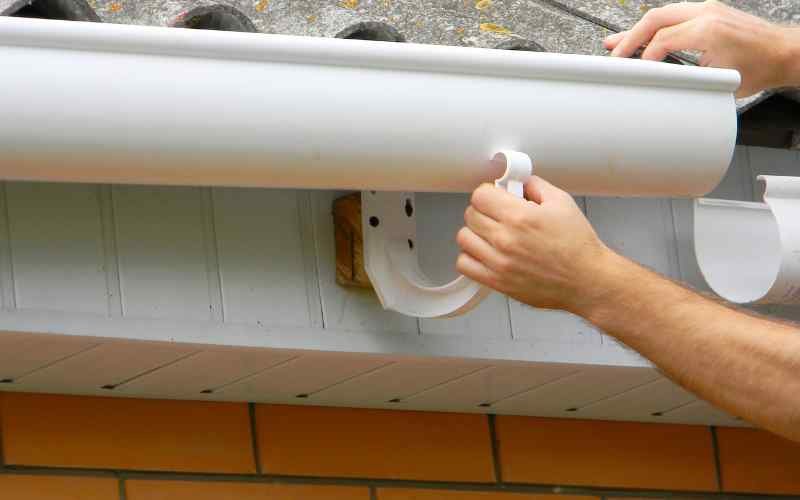
Gutter pitch (or gutter slope) is the angle at which a gutter tilts so water moves smoothly towards the downpipe. When the angle is correct, water flows.
When the angle is wrong?
Water sits, backs up, or overflows and that’s where trouble begins.
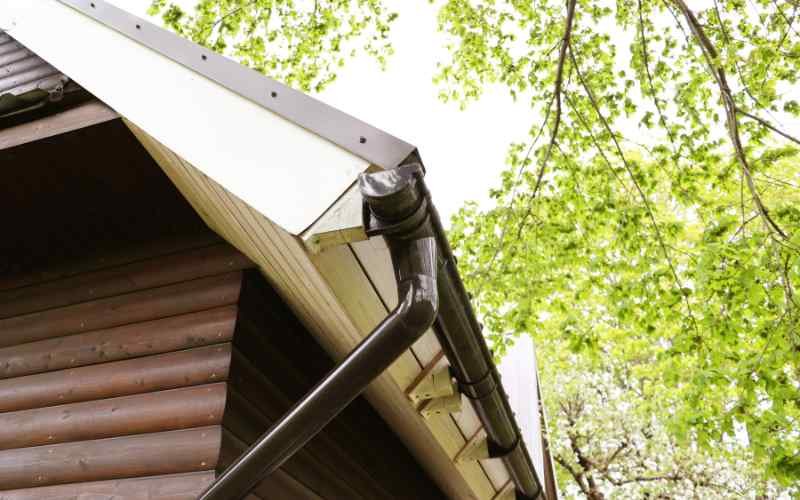
Many Melbourne homeowners assume gutter problems mean leaf blockages or rust. But improper gutter slope is far more common and much more quietly destructive.
Here’s why it matters:
- Gutter slope problems prevent proper drainage
- Standing water in gutters accelerates rust and sagging
- Water pooling in gutters spills backward into the roofline
- Incorrect gutter installation creates water overshoot at the roof edge
- Gutter overflow problems cause moisture to collect right at the roof valley
- Gutter alignment problems disturb the natural downward water flow
- Poor gutter slope drainage allows water to stagnate and attract debris
- Drainage failure in the roof valley becomes inevitable in heavy rainfall
- Once water behaves unpredictably, the roof valley becomes the next victim.
And in Melbourne’s weather, where heavy rainfall events have increased by roughly 18% in the past decade, poor gutter pitch can be catastrophic.
How Gutter Pitch Errors Actually Damage a Roof Valley
This is where most homeowners get surprised.
A roof valley is designed to channel large amounts of water during storms. It’s like the home’s main highway for roof runoff. When water velocity increases, valleys carry even more load.
But…
When gutters fail to remove water quickly, the valley suffers two kinds of damage:
Water Backflow Into the Valley Edges
A gutter installed with an improper gutter slope cannot drain efficiently. Water pools. Eventually, it overflows backwards, sliding under the first row of tiles or metal sheets and soaking the valley flashing.
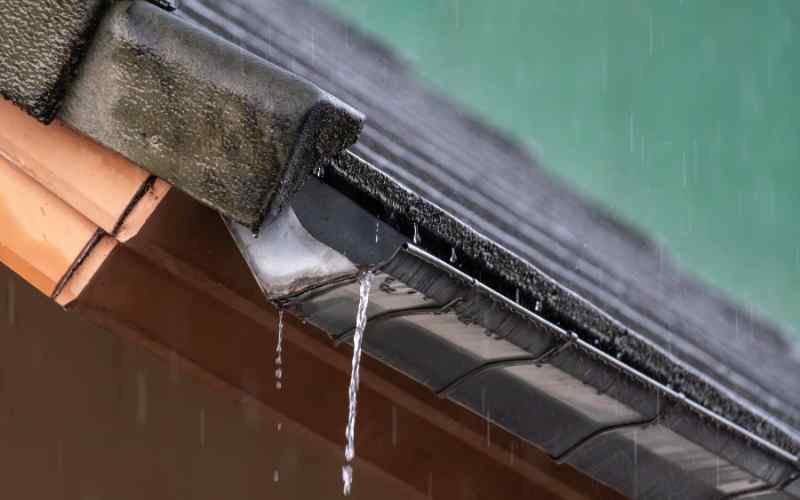
This leads to:
- corrosion in the valley metal
- timber rot under the valley boards
- tile lifting due to repeated saturation
- internal moisture seepage
- valley leak formation
Many people think valleys leak because of “old tiles”, but most cases I’ve inspected start from gutter drainage issues.
Water Overshoot During Storms
If the gutter is too flat or incorrectly aligned:
- the water moves too fast down the valley
- hits the gutter edge
- jumps right over it
This creates water pouring down walls, soaking fascia boards, or pooling near foundations. Not only is that detrimental for the roof, but it also affects the entire structure.
What Causes Improper Gutter Pitch?
A few millimetres can make the difference between perfect drainage and a costly leak. The biggest causes include:
- incorrect gutter installation
- sagging gutters from worn brackets
- poor workmanship during gutter replacement
- settling of the property over time
- mismatched downpipe placement
- inadequate gutter capacity for heavy rainfall
- lack of gutter system design planning
- failure to align gutter pitch to roof pitch
Most homeowners assume installers will get the slope perfect, but proper pitch requires precise measurement, an understanding of roof drainage compliance guidelines, and the expertise of trusted roof restoration professionals in Ferntree Gully.

How to Check If Your Gutter Pitch Is Correct
You can do a basic assessment yourself:
- Watch water flow during moderate rain
Water should travel smoothly towards the downpipe.
If you see swirling, sitting, or backflow, improper gutter slope is likely.
- Look for water pooling in gutters
Even after cleaning, standing water in gutters is a major red flag.
- Check for sagging gutters
Structural sag almost always indicates slope problems.
- Inspect fascia boards
Water stains or softness means water is overflowing backwards that is a sign of gutter pitch errors.
- Look for stains near roof valleys
Any discolouration, rust, or dampness near valley edges usually traces back to drainage problems, not tile failure.
How Gutter Pitch Problems Affect Melbourne Homes Specifically
Melbourne weather is unique: fast-changing conditions, strong wind bursts, and sudden heavy downpours. This makes gutter pitch especially important.
Here are Melbourne-specific challenges:
➤ Fast rainfall increases overshoot risk
Improper gutter slope cannot handle sudden water surges.
➤ Roof valley drainage issues worsen during spring storms
Valleys carry immense water volumes, any small gutter defect escalates.
➤ Older Melbourne homes with aging fascia boards fail faster
If gutters are misaligned, fascia rot becomes severe.
➤ Heavy leaf fall in autumn masks the problem
Even when cleaned, improper gutter slope causes water to stagnate.
➤ Compliance Standards
Roof drainage compliance requirements in Australia specify exact fall ratios for gutters. Ignoring them leads to rapid failure, often resulting in issues that eventually require expert roof restoration services in Mount Waverley.

What Happens If You Ignore Gutter Pitch Errors?
Here’s the uncomfortable truth: gutter pitch issues don’t just “stay in the gutter”. They spread, quietly at first, then aggressively. When water fails to flow as it should, it begins backing up into places it should never reach. This leads to valley metal corrosion, roof valley overflow, lifted or slipping roof tiles, pressure building inside downpipes, and moisture creeping into the internal roof cavity.
Over time, that trapped moisture becomes a breeding ground for mould, damages insulation, warps timber battens, and even causes cracked plaster ceilings. Left unresolved, these small pitch errors can snowball into major repairs and even premature roof restoration needs. It’s a chain reaction that’s entirely predictable and extremely expensive to ignore.
How to Fix Gutter Pitch Errors Properly
A professional approach is essential. Here’s what a qualified roof expert will do:
Measure the gutter fall
Ensuring the correct fall ratio (usually 2–3 mm per metre).
Realign or replace brackets
Bracket spacing affects long-term gutter slope stability.
Re-pitch the gutter
Adjusting the entire length to achieve consistent fall.
Check gutter and roof drainage coordination
Ensuring gutter pitch matches roof pitch, misalignment is common.
Inspect roof valley flashing
If damage is present, repair or replace valley sections.
Evaluate downpipe placement
Poor placement increases backflow and pooling.
Upgrade capacity if needed
Modern high-capacity gutters reduce overflow risks significantly.
This is real preventative maintenance, and it can save homeowners thousands.
Actionable Tips for Homeowners (Easy Wins!)
Here are steps you can take right now:
✔ Clean gutters seasonally
Blockages make gutter slope problems worse.
✔ Observe water flow during the next rain
A quick visual examination reveals a lot.
✔ Check gutter brackets twice a year
Loose brackets = incorrect gutter pitch.
✔ Keep valleys free of debris
Even small obstructions increase overflow pressure.
✔ Install a gutter guard only if pitch is correct
Otherwise, it masks the problem, not solves it.
✔ Schedule a roof and gutter health report annually
Just like car servicing, prevention is better than cure.
Related: Ultimate Roof & Gutter Maintenance
A Small Error That Becomes a Big Problem
Here’s the bottom line.
Gutter pitch errors seem small. Millimetres, even.
But the consequences are anything but small.
Roof valley damage is one of the costliest forms of roof failure, and in Melbourne’s weather, a single incorrect gutter slope can accelerate that damage dramatically.
If you’re already investing in maintaining your roof, whether through services like roof restoration in Rowville, ensuring correct gutter pitch is the extra step that protects every dollar you spend.
Your roof and your gutters are a system.
Treat them as one and your home will stay dry, strong, and safe through every Melbourne storm.
-
 March 13,2026
Roof Flashing Around Chimney Is Leaking
-
February 3,2026
Possum vs. Roofer: Who is Actually Responsible for That Hole?
-
January 12,2026
Why Your Roof Restoration Must Include Pest-Proofing
-
November 27,2025
How to Spot a Dodgy Roof Quote in Melbourne
-
November 13,2025
Maintenance Tips for Slatted Roof Systems in Melbourne
-
October 30,2025
Colour & Style Trends for Roofing in Melbourne
-
October 7,2025
How to Prevent & Fix Flat Roof Leaks in Melbourne
-
September 29,2025
Role Of Ember Attack In Roof Ignition & How To Prevent It
-
September 16,2025
Roof Ventilation and Repairs: Why Melbourne Homes Overheat
-
August 19,2025
Roof Leak or Plumbing Leak? How to Tell the Difference in Homes
-
August 4,2025
Gutter and Roof Safety Tips Before Bushfire Season in Victoria
-
July 18,2025
The Ultimate Roof & Gutter Maintenance Checklist for Melbourne Homeowners
-
July 9,2025
Guide to Roof Tile Types in Australia and How to Repair Them
-
June 26,2025
Metal vs. Asphalt: Which Roofing Material Lasts Longer?
-
June 6,2025
Drones in Roofing: How We Inspect Roofs Safely and Quickly in Melbourne
-
May 14,2025
5 Common Roof Problems in Coastal Areas (and How to Prevent Them)
-
April 16,2025
Dealing with Gutter Blockages During Melbourne’s Rainy Season: Repair Tips & Tricks
-
March 27,2025
Tile Roof Restoration – Key Signs Your Tiled Roof Needs Attention
-
March 7,2025
How to Get Your House Ready for Roof Restoration
-
February 28,2025
Why Is Your Roof Paint Peeling? Top Causes and Solutions
-
February 10,2025
The Importance of Roof Inspections Before Buying a Home in Melbourne
-
January 15,2025
Heat-Reflective Roof Restoration Coatings Lower Energy Bills
-
January 9,2025
The Hidden Dangers of Roof Mould: How It Affects Your Home and Health
-
December 26,2024
Why Melbourne’s Summer Is the Ideal Season for Roof Restoration
-
December 17,2024
Rooftops Around the World: Comparative Analysis With Australia’s Superior Guidelines
-
November 25,2024
Why Gutter Cleaning in Melbourne is Crucial Before the Winter Season
-
October 19,2024
Common Roof Problems in Melbourne: Causes and Effective Solutions
-
September 30,2024
Roof Repair Signs: What Every Melbourne Homeowner Should Know
-
September 23,2024
Tips to Maintain and Extend the Life of Your Restored Roof in Melbourne
-
August 26,2024
The Complete Guide for Roof Inspections and Restorations
-
August 12,2024
Restoration vs. Repairs: Choose the Right One for Your Home


