




The weather in Melbourne isn’t easy on you. One minute it’s calm, and the next minute strong winds are blowing across rooftops. And here’s something that most homeowners don’t realise: winds of only 60 to 80 km/h can start to loosen roof tiles that aren’t properly secured. Storms in Victoria often have winds that are even stronger. And it is at that point that things begin to go wrong. At first, quietly. A small change. A small space. Then all of a sudden, leaks, damage, and expensive repairs.
We’ve seen it firsthand across Melbourne homes. Tiles don’t just “fall off” overnight. They lift, move, and weaken over time. And if you know what to look for, you can stop it early. This tutorial will assist you in doing just that.
How Wind Lifts Roof Tiles
Wind doesn’t have to be very strong to hurt things. It works in a quiet but strong way, using differences in pressure and forces that lift things up.
Here’s what happens:
- Wind flows over your roof surface
- Air pressure above the tiles drops
- Pressure underneath stays higher
This creates an upward force (called wind uplift pressure).
Result?
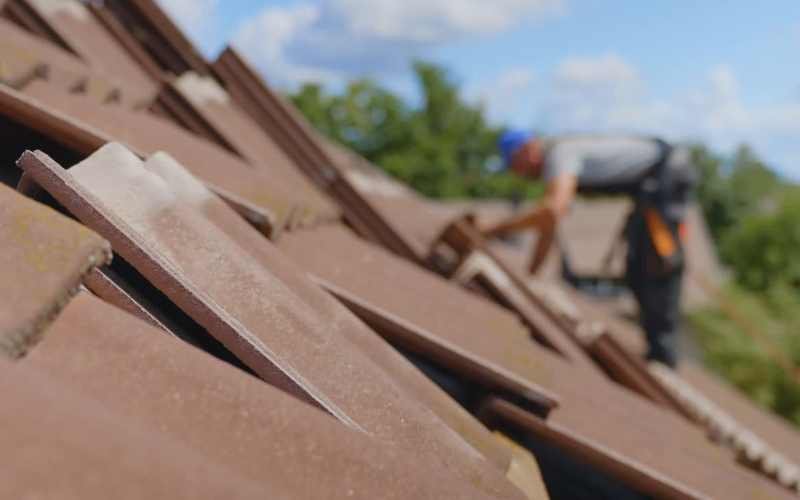
Tiles begin to lift slightly from their position.
Now, one lift might not seem like a problem. But repeated exposure causes:
- Gradual loosening
- Misalignment
- Weak fastening points
Eventually, the wind will lift the roof tiles, and that’s when the risks go up.
Common Causes of Roof Tile Lift
Not every roof reacts to wind in the same way. Compared to others, some are far more helpless.
The most common causes include:
Ageing Roof Materials
- Older roofs lose structural strength
- Mortar cracks and weakens
- Tiles become brittle
This is why roof tile movement in wind is more common in homes over 15–20 years old
Poor Installation
- Incorrect tile overlap
- Weak fastening systems
- Missing mechanical fixings
If tiles weren’t secured properly from day one, wind lifting roof tiles becomes inevitable.
Damaged Bedding and Pointing
- Ridge caps rely on mortar (bedding) and flexible pointing
- Over time, this cracks due to heat + weather
Once this weakens:
- Tiles shift more easily
- Ridge caps become unstable
Lack of Maintenance
Ignoring minor problems causes them to grow into major ones.
- Loose tiles go unnoticed
- Minor cracks worsen
- Debris adds pressure points
Roof Design & Pitch
- Low-pitched roofs experience different wind forces
- Complex designs create turbulence zones
Certain areas of your roof are more exposed to uplift
Melbourne Weather Conditions
Melbourne’s unpredictable climate plays a huge role.
- Sudden wind gusts
- Seasonal storms
- Rapid temperature shifts
These factors accelerate roof tiles blown off wind scenarios.
Signs Your Roof Tiles Are Lifting
Most homeowners don’t notice the early warning signs until they can see damage inside.
External signs
- Tiles sitting unevenly
- Visible gaps between tiles
- Ridge caps cracking or shifting
- Tiles slightly raised at edges
Internal warning signs
- Ceiling water stains
- Damp patches after rain
- Musty smells in attic
Subtle but critical clues
- Rattling noises during wind
- Debris or tile fragments in gutters
- Increased drafts in roof space
These are clear signals of loose roof tiles wind damage.
Why Lifted Roof Tiles Are Dangerous
Ignoring the issue is where costs spiral.
Here’s what can happen:
- Water ingress → leaks and structural damage
- Mould growth → health risks
- Falling tiles → safety hazard
- Insulation damage → higher energy bills
Even one displaced tile can compromise the entire roofing system.
Real insight:
Studies in Australia show that over 35% of roof leaks are linked to displaced or damaged tiles caused by wind exposure.
That’s not minor. That’s a major risk.
How to Prevent Roof Tiles Lifting
Fixing something is always more expensive than stopping it from happening. And most importantly, it keeps your home safe.
Here’s what actually works:
1. Regular Roof Inspections
- Inspect at least once a year
- Always check after storms
Especially important in Melbourne where weather changes fast.
2. Secure Tiles Properly
- Use mechanical fixings (clips or screws)
- Ensure correct tile overlap
This is key to preventing roof tile uplift causes.
3. Maintain Ridge Caps
- Repoint cracked mortar
- Replace damaged bedding
This stabilises the highest stress points on your roof.
4. Replace Broken or Loose Tiles Immediately
Don’t wait.
- One loose tile spreads stress to others
- Chain reaction damage is common
5. Keep Gutters Clean
- Prevent water pooling
- Reduce structural strain
6. Upgrade Older Roofs
If your roof is ageing, consider restoration.
For example, many homeowners in Melbourne opt for roof restoration services in Doncaster to reinforce older roofs against modern weather conditions.
How Professionals Fix Wind-Damaged Roof Tiles
If damage has already started, professional intervention is critical.
Here’s what a proper repair involves:
Inspection
- Full roof assessment
- Identify weak zones
- Check underlayment condition
Tile Repositioning & Replacement
- Realign shifted tiles
- Replace broken ones
- Secure loose sections
Repointing & Rebedding
- Strengthen ridge caps
- Restore structural integrity
Reinforcement
- Install modern fixing systems
- Improve wind resistance
In areas like Camberwell, homeowners often require targeted services such as roof repairs due to older housing structures and tree exposure.
When Should You Call a Roofing Expert?
Don’t wait for visible damage inside your home.
Call a professional if:
- Tiles are visibly lifted or misaligned
- You hear movement during wind
- There’s any sign of leaks
- Your roof is over 15 years old
Emergency situations:
- Tiles have fallen off
- Water is entering your home
- Storm damage is visible
This is where emergency roof repair in Melbourne storm services become essential.
Melbourne-Specific Factors You Shouldn’t Ignore
Melbourne roofs face unique challenges.
Key local risks:
- Sudden wind gusts exceeding 90 km/h
- Seasonal storm patterns
- Temperature fluctuations causing expansion/contraction
What this means:
Even a well-installed roof can develop issues without maintenance.
That’s why services like roof restoration in Bayswater are becoming more popular: homeowners are taking steps to make their roofs stronger before they break.
Practical Checklist: Protect Your Roof from Wind Damage
Here’s a quick action plan you can follow:
Before storm season:
- Inspect roof visually
- Check for loose tiles
- Clean gutters
After strong winds:
- Look for shifted tiles
- Check ceilings for leaks
- Listen for unusual sounds
Ongoing:
- Schedule annual inspection
- Fix minor issues immediately
- Consider professional assessment every 2–3 years
Book Your Roof Repair
Final Thoughts
Wind damage doesn’t start with dramatic events. It starts small. Subtle. Easy to ignore. But over time, roof tiles lifting in wind can lead to serious structural problems, costly repairs, and avoidable stress.
The good news? It’s preventable.
You can safeguard your house long before damage worsens with the correct upkeep, early identification, and expert assistance.
If you’re unsure about your roof’s condition or have noticed early signs of movement, it’s worth getting expert advice. The people at Eufouria know everything there is to know about Melbourne weather, and they can help you protect your roof before the next storm hits.
Your roof protects everything beneath it. Make sure it’s ready.
-
 March 13,2026
Roof Flashing Around Chimney Is Leaking
-
February 3,2026
Possum vs. Roofer: Who is Actually Responsible for That Hole?
-
January 12,2026
Why Your Roof Restoration Must Include Pest-Proofing
-
December 19,2025
How Gutter Pitch Errors Lead to Roof Valley Damage
-
November 27,2025
How to Spot a Dodgy Roof Quote in Melbourne
-
November 13,2025
Maintenance Tips for Slatted Roof Systems in Melbourne
-
October 30,2025
Colour & Style Trends for Roofing in Melbourne
-
October 7,2025
How to Prevent & Fix Flat Roof Leaks in Melbourne
-
September 29,2025
Role Of Ember Attack In Roof Ignition & How To Prevent It
-
September 16,2025
Roof Ventilation and Repairs: Why Melbourne Homes Overheat
-
August 19,2025
Roof Leak or Plumbing Leak? How to Tell the Difference in Homes
-
August 4,2025
Gutter and Roof Safety Tips Before Bushfire Season in Victoria
-
July 18,2025
The Ultimate Roof & Gutter Maintenance Checklist for Melbourne Homeowners
-
July 9,2025
Guide to Roof Tile Types in Australia and How to Repair Them
-
June 26,2025
Metal vs. Asphalt: Which Roofing Material Lasts Longer?
-
June 6,2025
Drones in Roofing: How We Inspect Roofs Safely and Quickly in Melbourne
-
May 14,2025
5 Common Roof Problems in Coastal Areas (and How to Prevent Them)
-
April 16,2025
Dealing with Gutter Blockages During Melbourne’s Rainy Season: Repair Tips & Tricks
-
March 27,2025
Tile Roof Restoration – Key Signs Your Tiled Roof Needs Attention
-
March 7,2025
How to Get Your House Ready for Roof Restoration
-
February 28,2025
Why Is Your Roof Paint Peeling? Top Causes and Solutions
-
February 10,2025
The Importance of Roof Inspections Before Buying a Home in Melbourne
-
January 15,2025
Heat-Reflective Roof Restoration Coatings Lower Energy Bills
-
January 9,2025
The Hidden Dangers of Roof Mould: How It Affects Your Home and Health
-
December 26,2024
Why Melbourne’s Summer Is the Ideal Season for Roof Restoration
-
December 17,2024
Rooftops Around the World: Comparative Analysis With Australia’s Superior Guidelines
-
November 25,2024
Why Gutter Cleaning in Melbourne is Crucial Before the Winter Season
-
October 19,2024
Common Roof Problems in Melbourne: Causes and Effective Solutions
-
September 30,2024
Roof Repair Signs: What Every Melbourne Homeowner Should Know
-
September 23,2024
Tips to Maintain and Extend the Life of Your Restored Roof in Melbourne
-
August 26,2024
The Complete Guide for Roof Inspections and Restorations
-
August 12,2024
Restoration vs. Repairs: Choose the Right One for Your Home


