


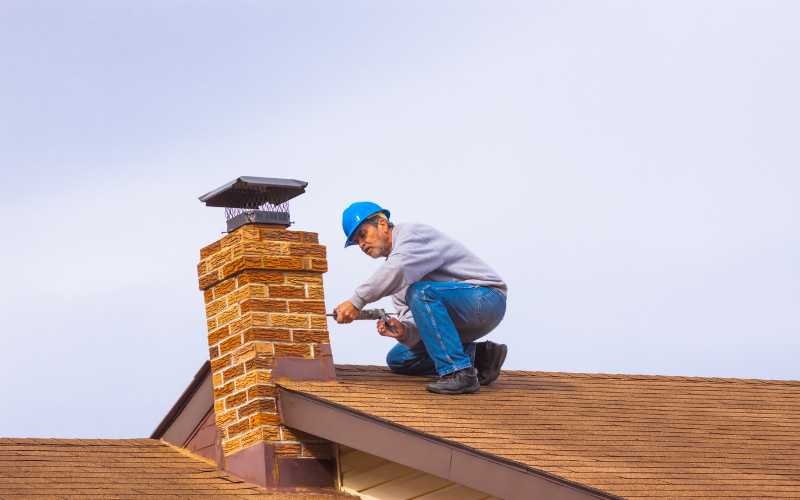
A roof leak rarely starts as a dramatic problem. Most of the time, it starts quietly, with a small drip, a faint water stain, or a wet spot on the ceiling near the chimney. But here’s the surprising part: over 30% of roof leaks occur around penetrations like chimneys, vents, and skylights, according to roofing industry studies. The thin metal that protects these joints, called flashing, is usually to blame.
And when flashing around a chimney fails, water has a direct path inside your roof structure.
In Melbourne’s unpredictable climate, where heavy rain, wind, and seasonal temperature shifts constantly stress roofing materials, chimney flashing leaks are more common than most homeowners realise. Left untreated, they can damage insulation, ceiling plaster, timber framing, and even electrical wiring.
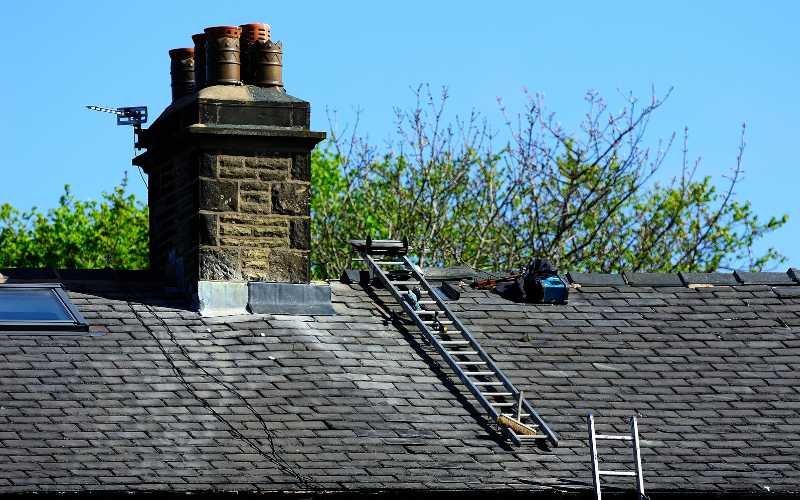
At Eufouria, we’ve inspected countless Melbourne leaking roofs where a small flashing failure turned into a costly structural repair simply because the warning signs were ignored.
The good news?
If you know what to look for, you can find and fix most chimney flashing leaks quickly.
Let’s break down why roof flashing around chimneys leaks, how to recognise the signs early, and what Melbourne homeowners can do to stop the problem before it spreads.
Why Chimney Flashing Is One of the Most Common Roof Leak Points
Your roof isn’t one big flat surface. It has a lot of places where materials meet, and these places are weak.
A chimney creates one of the most complex joints on a roof because it cuts directly through the roofing system.
Flashing exists to seal that joint.
What flashing actually does
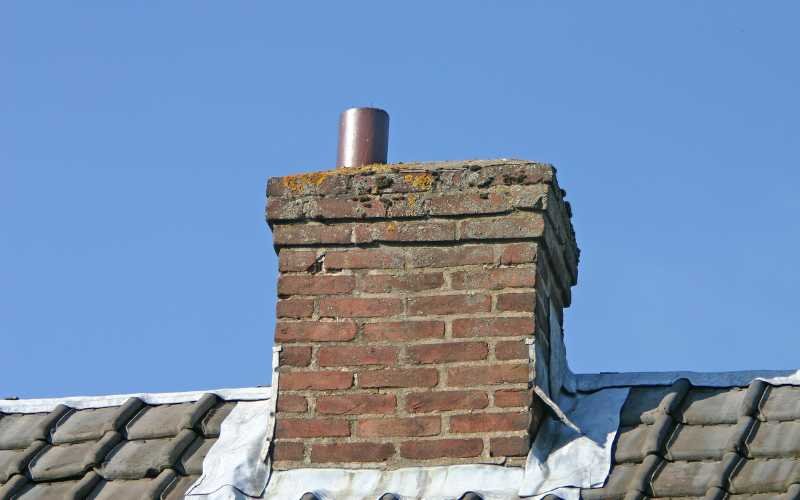
Flashing is a thin layer of metal (usually aluminium, steel, or copper) that is put around roof openings to keep water from getting into the gaps between surfaces.
Around chimneys, flashing typically includes:
- Step flashing layered between shingles or tiles
- Counter flashing embedded into chimney mortar joints
- Base flashing where the chimney meets the roof
- Cricket flashing (for large chimneys) to divert water flow
If any part of this system fails, rainwater can seep beneath roofing materials and into the roof cavity.
Why Melbourne roofs experience flashing problems
Several factors make chimney flashing particularly vulnerable in Melbourne:
- Frequent rainfall and storms
- Temperature changes causing metal expansion and contraction
- Ageing roof mortar joints
- Poor installation from previous repairs
- Debris buildup around chimneys
Water can move along the roof structure through even the smallest openings, which can be as small as a few millimetres.
Signs Your Roof Is Leaking Around the Chimney
Many homeowners assume roof leaks appear directly under the damaged area. Unfortunately, water can travel along rafters before showing itself inside your home.
That’s why chimney flashing problems often go unnoticed.
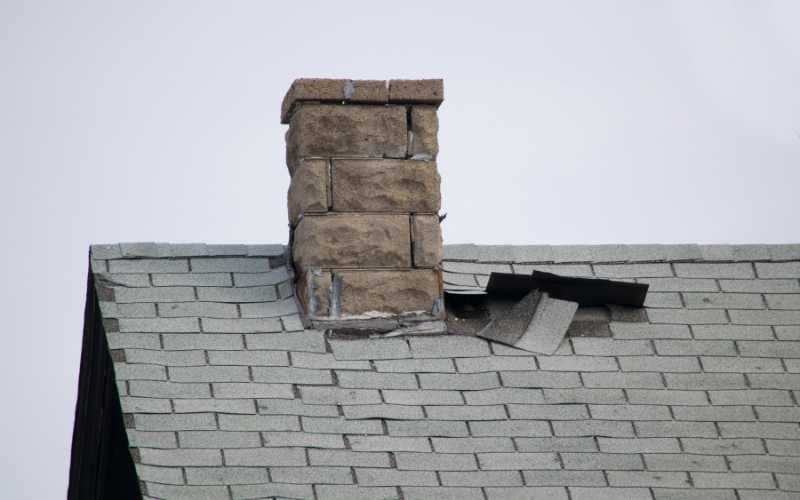
Interior warning signs
- Water stains on ceilings near the chimney
- Damp plasterboard or peeling paint
- Musty smells in attic spaces
- Dripping during heavy rain
- Mould or mildew growth
Exterior warning signs
- Rusted or corroded flashing
- Loose flashing sections
- Cracked chimney mortar
- Missing roof tiles near the chimney
- Visible gaps where flashing meets brickwork
If you notice any of these issues, a roof inspection should happen quickly.
A small leak today can cause thousands in damage later.
Common Causes of Chimney Flashing Leaks
Not all flashing failures happen for the same reason. In most cases, it’s a combination of age, weather exposure, and installation quality.
Below are the most frequent causes we encounter when investigating chimney leaks.
1. Rust or Corrosion
Older flashing made from galvanised steel eventually corrodes.
Once rust appears, the metal becomes brittle and thin. Small holes form, allowing water to enter the roof system.
Melbourne’s moisture-heavy winters accelerate this process.
2. Poor Installation
Incorrect flashing installation is one of the leading causes of roof leaks.
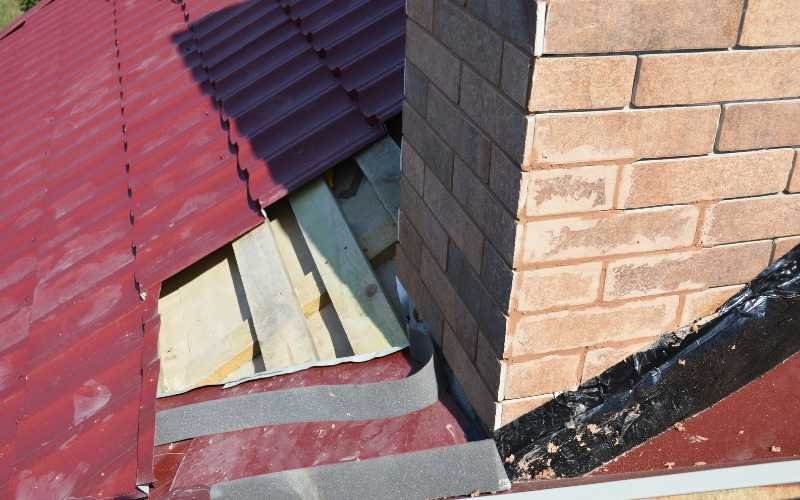
Common mistakes include:
- Flashing installed over tiles instead of beneath them
- Missing counter flashing
- Improperly sealed mortar joints
- Incorrect overlap between flashing pieces
Even a well-built roof will leak if flashing isn’t installed correctly.
3. Cracked Chimney Mortar
Counter flashing is embedded into the chimney’s mortar joints. Over time, these joints deteriorate.
When mortar cracks:
- flashing loosens
- water seeps behind the flashing
- leaks begin inside the roof cavity
This issue often appears in older brick chimneys.
4. Thermal Expansion
Metal expands when heated and contracts when cooled.
After years of temperature cycles, flashing can warp or lift slightly away from the chimney. This creates tiny openings where water enters.
5. Storm Damage
Melbourne storms can shift flashing or dislodge surrounding roof tiles.
Strong wind and heavy rain place enormous stress on flashing joints.
Sometimes a leak begins after a single severe storm event.
How Professionals Repair Chimney Flashing Leaks
Flashing repairs require precision. Temporary patches rarely last long.
Professional roofers typically follow a structured repair process.
Step-by-step flashing repair
Roof inspection
- Identify exact leak source
- Check chimney mortar and roof tiles
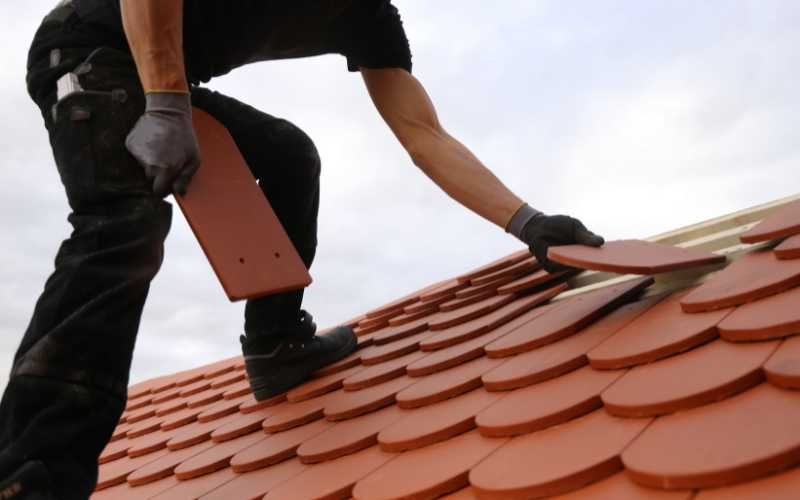
Remove damaged flashing
- Old flashing sections carefully removed
- Surrounding roofing materials inspected
Install new flashing system
- Step flashing layered with roofing material
- Counter flashing embedded into mortar joints
Seal all junction points
- Waterproof sealants applied
- Flashing secured against weather movement
Final water test
- Simulated rainfall to ensure leak is resolved
When done properly, chimney flashing repairs can last 20 years or more.
Cost of Chimney Flashing Repair in Melbourne
Repair costs depend on the roof structure, flashing material, and chimney condition.
Typical price ranges include:
- Minor flashing reseal: $300 – $600
- Partial flashing replacement: $600 – $1,200
- Full chimney flashing replacement: $1,200 – $2,500
Several factors influence the final cost:
- roof pitch and accessibility
- chimney size
- surrounding tile condition
- extent of water damage
Ignoring a flashing problem can dramatically increase repair costs if structural damage develops.
How to Prevent Chimney Flashing Leaks
Preventative maintenance is the most effective way to avoid expensive roof repairs.
Here are practical steps homeowners can take.
Schedule regular roof inspections
Professional roof inspections should happen:
- every 2–3 years
- after severe storms
- before winter
Early detection prevents major damage.
Keep the roof clear of debris
Leaves and debris trap moisture around flashing.
Clear away:
- branches
- moss
- leaf buildup
- dirt around chimney base
This reduces corrosion and water pooling.
Repair mortar cracks early
Chimney mortar deteriorates naturally over time.
Repointing mortar joints before they fail completely helps maintain flashing stability.
Replace ageing flashing
Most flashing systems last between 15–30 years.
If your roof is older, replacing flashing proactively can prevent leaks before they begin.
Why DIY Chimney Flashing Repairs Often Fail
Online videos make flashing repair look simple. In reality, it’s one of the most technically demanding roofing tasks.
Common DIY mistakes include:
- using roofing sealant instead of replacing flashing
- installing flashing above tiles
- failing to embed counter flashing in mortar
- using incompatible metal materials
Temporary patches might stop water briefly, but leaks usually return.
Professional repairs address the underlying structural issue rather than masking the symptom.
Why Melbourne Homes Are Especially Vulnerable
Melbourne’s weather is famously unpredictable.
In a single week you might experience:
- heavy rain
- strong winds
- intense sun
- sudden temperature changes
These conditions stress roofing materials and flashing joints constantly.
Roofs older than 15 years are particularly vulnerable.
That’s why regular inspections are essential for long-term roof protection.
When to Call a Roof Repair Specialist
Contact a roofing professional if you notice:
- ceiling stains near the chimney
- water dripping during rain
- rusted flashing
- cracked chimney mortar
- missing roof tiles around the chimney
Delaying repairs rarely saves money.
Book Your Roof Inspection
In many cases, a simple flashing repair can prevent major structural damage.
For homeowners in the northern suburbs of Melbourne, we regularly assist clients in Epping who require roof repairs when flashing damage causes leaks after storms.
Similarly, properties in expanding residential areas often require maintenance inspections, particularly homes in Mill Park that are seeking roof repairs due to ageing roofs being exposed to new weather conditions.
Older properties near the inner suburbs can also experience chimney flashing deterioration, which is why homeowners often contact specialists for roof repairs in Coburg after noticing interior ceiling stains.
Final Thoughts: Fix Chimney Flashing Leaks Before They Become Structural Problems
A leaking chimney flashing might seem like a minor roofing issue at first glance. But water intrusion rarely stays small.
Over time, moisture can damage insulation, weaken timber framing, and create mould problems inside your home.
The key is early detection and professional repair.
At Eufouria, we specialise in identifying the hidden causes of roof leaks across Melbourne and delivering long-lasting repair solutions. Our team understands the structural complexity of chimney flashing systems and ensures every repair is completed to withstand Melbourne’s demanding weather conditions.
If you suspect your roof flashing around the chimney is leaking, don’t wait for the next storm to make the problem worse.
A timely inspection today could save you from a major roof repair tomorrow.
-
 February 3,2026
Possum vs. Roofer: Who is Actually Responsible for That Hole?
-
January 12,2026
Why Your Roof Restoration Must Include Pest-Proofing
-
December 19,2025
How Gutter Pitch Errors Lead to Roof Valley Damage
-
November 27,2025
How to Spot a Dodgy Roof Quote in Melbourne
-
November 13,2025
Maintenance Tips for Slatted Roof Systems in Melbourne
-
October 30,2025
Colour & Style Trends for Roofing in Melbourne
-
October 7,2025
How to Prevent & Fix Flat Roof Leaks in Melbourne
-
September 29,2025
Role Of Ember Attack In Roof Ignition & How To Prevent It
-
September 16,2025
Roof Ventilation and Repairs: Why Melbourne Homes Overheat
-
August 19,2025
Roof Leak or Plumbing Leak? How to Tell the Difference in Homes
-
August 4,2025
Gutter and Roof Safety Tips Before Bushfire Season in Victoria
-
July 18,2025
The Ultimate Roof & Gutter Maintenance Checklist for Melbourne Homeowners
-
July 9,2025
Guide to Roof Tile Types in Australia and How to Repair Them
-
June 26,2025
Metal vs. Asphalt: Which Roofing Material Lasts Longer?
-
June 6,2025
Drones in Roofing: How We Inspect Roofs Safely and Quickly in Melbourne
-
May 14,2025
5 Common Roof Problems in Coastal Areas (and How to Prevent Them)
-
April 16,2025
Dealing with Gutter Blockages During Melbourne’s Rainy Season: Repair Tips & Tricks
-
March 27,2025
Tile Roof Restoration – Key Signs Your Tiled Roof Needs Attention
-
March 7,2025
How to Get Your House Ready for Roof Restoration
-
February 28,2025
Why Is Your Roof Paint Peeling? Top Causes and Solutions
-
February 10,2025
The Importance of Roof Inspections Before Buying a Home in Melbourne
-
January 15,2025
Heat-Reflective Roof Restoration Coatings Lower Energy Bills
-
January 9,2025
The Hidden Dangers of Roof Mould: How It Affects Your Home and Health
-
December 26,2024
Why Melbourne’s Summer Is the Ideal Season for Roof Restoration
-
December 17,2024
Rooftops Around the World: Comparative Analysis With Australia’s Superior Guidelines
-
November 25,2024
Why Gutter Cleaning in Melbourne is Crucial Before the Winter Season
-
October 19,2024
Common Roof Problems in Melbourne: Causes and Effective Solutions
-
September 30,2024
Roof Repair Signs: What Every Melbourne Homeowner Should Know
-
September 23,2024
Tips to Maintain and Extend the Life of Your Restored Roof in Melbourne
-
August 26,2024
The Complete Guide for Roof Inspections and Restorations
-
August 12,2024
Restoration vs. Repairs: Choose the Right One for Your Home


