



If your roof is over 15 years old and showing cracked tiles, minor leaks, or lifting ridge caps, repairing now almost always costs less than waiting, typically, targeted repairs cost $400 to $1,500, while a full restoration can run $8,000 to $15,000+ once damage spreads.
But not every issue needs immediate action. Some wear is purely cosmetic and can safely wait a season or two.
Every year, Eufouria evaluates hundreds of ageing Melbourne roofs, and the key is always the same: determining which category your roof belongs to, as making a mistake in any direction will cost you money.
The 5-Minute Roof Age Check
Before calling anyone, walk your property and look up. If your roof is terracotta, expect a 50–70 year lifespan when properly maintained. Concrete tiles typically last 30–50 years. Either way, age alone doesn’t tell the full story, how the roof has been maintained matters just as much as how old it is.
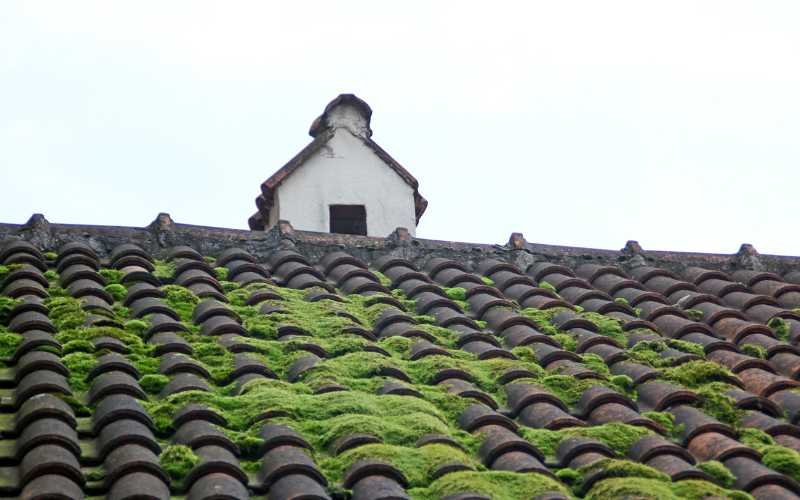
Look for chalky residue on tiles (a sign the protective coating has worn away), moss or lichen buildup in shaded areas, tiles that look slightly out of alignment, and any fading that’s uneven across the roof. None of these are emergencies on their own. But together, they tell you how close your roof is to needing real attention.
At Eufouria, the first five minutes on any site visit are spent doing exactly this check before we even get on the ladder. This check tells us whether we’re looking at a maintenance job or a bigger conversation.
When Repairing Now Saves You Money
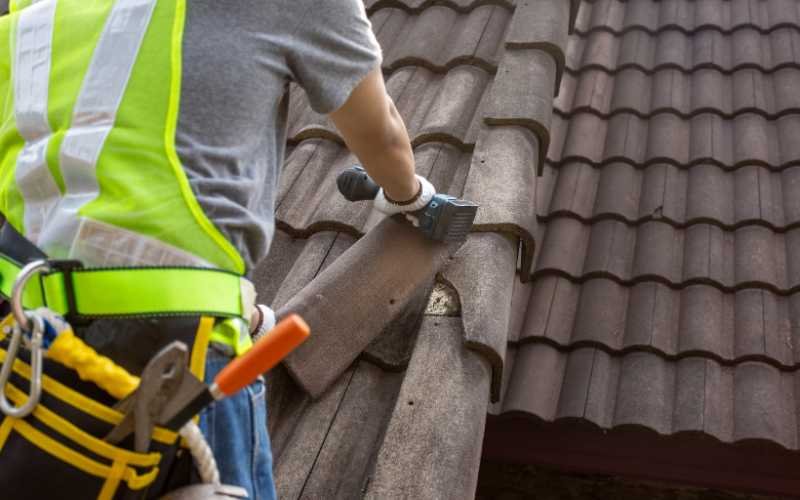
Small problems on an ageing roof rarely stay small. A single cracked tile left alone lets water in behind it, which soaks the sarking, which can lead to ceiling damage and, eventually, structural repairs. What starts as a $400–$800 fix can become a $5,000–$8,000 problem within a year or two if it’s ignored.
Roof repairs in Coburg are a common example of these issues. Several damaged tiles and a loose ridge cap are common on Coburg terracotta roofs, which were quick, economical fixes five years ago but now require full restoration.
The rule of thumb we give homeowners is this: if it involves water getting in (a leak, a cracked tile, a lifted ridge cap), repair it now. The cost of delay almost always outweighs the cost of the fix.
When Waiting Is Actually the Smarter Call
Not everything on an aging roof needs immediate action. Light moss growth, fading, and slight discolouration are all cosmetic issues that have an impact on the roof’s appearance rather than its ability to protect your house. If your roof is structurally sound and nothing is letting water through, it’s reasonable to wait and plan a full restoration for when it suits your budget.
This is a conversation we have often with homeowners for roof repairs in Epping, where a lot of the housing is newer and built to tighter tolerances. Early wear indicators, such as minor fading and dust accumulation, are often low-risk and can wait a season or two without experiencing any significant negative effects.
The key question to ask yourself: is this affecting how the roof performs or just how it looks? If it’s the latter, waiting is a legitimate option, not a mistake.
The Real Cost Comparison: Repair vs. Replace vs. Wait
Here’s how the numbers typically break down for an ageing Melbourne roof:
- Targeted repairs (cracked tiles, ridge caps, minor leak fixes): $400–$1,500
- Full roof restoration (cleaning, repointing, re-bedding, repainting): $8,000–$15,000+
- Cost of waiting too long: repair costs multiply as damage spreads to sarking, insulation, and ceilings — often turning a $1,000 fix into a $10,000+ one
The cheapest option isn’t always “wait” or “repair”, it’s whichever one matches the actual condition of your roof. This is why we scope every job on-site rather than quoting over the phone: a roof that looks fine from the ground can have issues a homeowner won’t see, and a roof that looks worse than it is can sometimes get away with a smaller fix.
Red Flags That Mean Don’t Wait
Some signs mean the “wait and see” approach isn’t safe, regardless of budget timing:
- Sagging in any part of the roofline
- Water stains or damp patches on ceilings
- Widespread cracking across multiple tiles, not just one or two
- Visible daylight through the roof from inside the ceiling cavity
- Sarking that’s visibly deteriorated or missing
This issue matters even more in heritage-overlay suburbs like Camberwell, where roof repairs often need to match original materials and meet council requirements. Delaying a repair in a heritage home doesn’t just risk more damage; it can also mean the original tiles or ridge caps are no longer available to match, forcing a more expensive, non-original fix down the track.
If you’re seeing any of these signs, the decision isn’t really ‘repair vs. wait’ anymore; it’s how fast you can get someone out to assess it.
Conclusion
Most of the time, repairing an ageing roof now costs less than waiting, sometimes far less. But waiting is genuinely fine when the issue is cosmetic and the roof is otherwise sound. The difference between the two comes down to what’s actually happening under the tiles, not just what you can see from the ground.
Eufouria assesses ageing roofs across Melbourne every week, from older homes in Coburg to newer builds in Epping to heritage properties in Camberwell. Make an appointment for an inspection if you’re unsure which category your roof belongs in. We’ll provide you with an honest response rather than a sales pitch.
-
 October 12,2026
Signs Your Roof Coating Has Failed and Needs Recoating
-
 August 14,2026
Dark Ceiling Stains After Rain: Causes And First Steps
-
 June 10,2026
Cracked roof tiles vs. damaged ridge caps: repair differences and costs
-
 May 18,2026
How to Extend the Life of an Aging Roof
-
April 7,2026
How Wind Lifts Roof Tiles (And How to Prevent It)
-
March 13,2026
Roof Flashing Around Chimney Is Leaking
-
February 3,2026
Possum vs. Roofer: Who is Actually Responsible for That Hole?
-
January 12,2026
Why Your Roof Restoration Must Include Pest-Proofing
-
December 19,2025
How Gutter Pitch Errors Lead to Roof Valley Damage
-
November 27,2025
How to Spot a Dodgy Roof Quote in Melbourne
-
November 13,2025
Maintenance Tips for Slatted Roof Systems in Melbourne
-
October 30,2025
Colour & Style Trends for Roofing in Melbourne
-
October 7,2025
How to Prevent & Fix Flat Roof Leaks in Melbourne
-
September 29,2025
Role Of Ember Attack In Roof Ignition & How To Prevent It
-
September 16,2025
Roof Ventilation and Repairs: Why Melbourne Homes Overheat
-
August 19,2025
Roof Leak or Plumbing Leak? How to Tell the Difference in Homes
-
August 4,2025
Gutter and Roof Safety Tips Before Bushfire Season in Victoria
-
July 18,2025
The Ultimate Roof & Gutter Maintenance Checklist for Melbourne Homeowners
-
July 9,2025
Guide to Roof Tile Types in Australia and How to Repair Them
-
June 26,2025
Metal vs. Asphalt: Which Roofing Material Lasts Longer?
-
June 6,2025
Drones in Roofing: How We Inspect Roofs Safely and Quickly in Melbourne
-
May 14,2025
5 Common Roof Problems in Coastal Areas (and How to Prevent Them)
-
April 16,2025
Dealing with Gutter Blockages During Melbourne’s Rainy Season: Repair Tips & Tricks
-
March 27,2025
Tile Roof Restoration – Key Signs Your Tiled Roof Needs Attention
-
March 7,2025
How to Get Your House Ready for Roof Restoration
-
February 28,2025
Why Is Your Roof Paint Peeling? Top Causes and Solutions
-
February 10,2025
The Importance of Roof Inspections Before Buying a Home in Melbourne
-
January 15,2025
Heat-Reflective Roof Restoration Coatings Lower Energy Bills
-
January 9,2025
The Hidden Dangers of Roof Mould: How It Affects Your Home and Health
-
December 26,2024
Why Melbourne’s Summer Is the Ideal Season for Roof Restoration
-
December 17,2024
Rooftops Around the World: Comparative Analysis With Australia’s Superior Guidelines
-
November 25,2024
Why Gutter Cleaning in Melbourne is Crucial Before the Winter Season
-
October 19,2024
Common Roof Problems in Melbourne: Causes and Effective Solutions
-
September 30,2024
Roof Repair Signs: What Every Melbourne Homeowner Should Know
-
September 23,2024
Tips to Maintain and Extend the Life of Your Restored Roof in Melbourne
-
August 26,2024
The Complete Guide for Roof Inspections and Restorations
-
August 12,2024
Restoration vs. Repairs: Choose the Right One for Your Home


