


A chalky white residue on your hands after touching the roof. Faded patches where the colour was once even. Small cracks spreading across the surface. These are the first signs your roof coating has failed.
Roof coating shields the tiles, metal, or membrane underneath it from the sun, rain, and temperature fluctuations. Over time, that protective layer breaks down. In Melbourne, harsh UV exposure and sharp seasonal temperature changes speed up this process. A coating that looks fine from the ground can already be cracked, blistered, or letting water through.
This guide explains exactly what failed roof coating looks like, why it happens faster in Melbourne, and how to tell if you need a simple recoat or a full roof restoration.
Key Takeaways
- Chalking, fading, and hairline cracks are early signs of roof coating failure.
- Blistering, peeling, and ponding water are advanced signs that need urgent attention.
- Melbourne’s UV exposure and seasonal temperature swings shorten roof coating lifespan.
- Ignoring a failed coating leads to leaks, sarking damage, and higher repair costs.
- Recoating and roof restoration are different services; recoating addresses surface failure and restoration addresses structural damage.
What Is Roof Coating and Why Does It Fail?
Roof coating is a protective layer applied over tiles, metal, or membrane roofing. It shields the roof surface from ultraviolet (UV) rays, rain, and heat. Most roof coatings last between 7 and 15 years, depending on the product and climate.
Coating failure happens when this protective layer breaks down faster than expected. Sun exposure dries out the coating’s flexibility. Rain and moisture seep into small cracks. Temperature swings between hot days and cool nights cause the coating to expand and contract, weakening its bond to the roof surface.
Once the coating fails, the roof surface underneath is exposed. This leads to faster wear on tiles, metal sheeting, or sarking, the protective layer of insulation and moisture barrier installed beneath roof tiles.
What Are the Early Signs of Roof Coating Failure?
Chalking and Powdery Residue
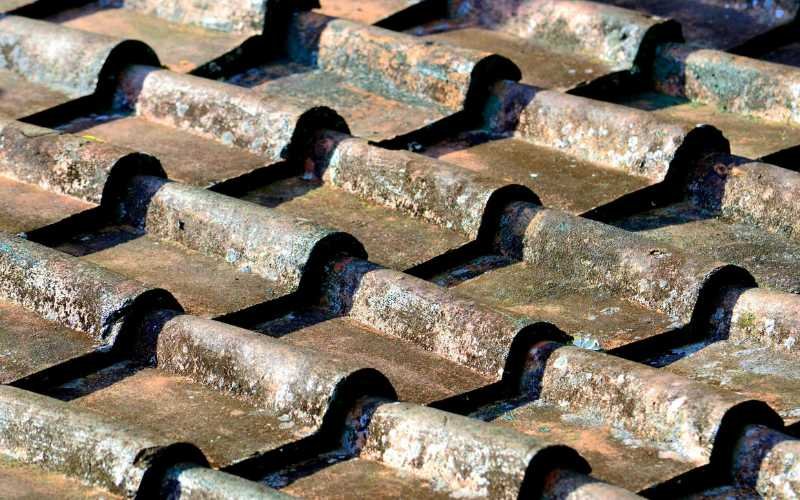
Chalking is a fine, powdery residue that rubs off on your hand when you touch the roof. It’s one of the earliest signs of coating breakdown. UV rays break down the coating’s binders, releasing this powder as a byproduct. Chalking on its own doesn’t mean the roof is leaking, but it signals the coating has started to degrade.
Fading or Uneven Colour
A coating that fades unevenly, or looks patchy compared to when it was applied, has lost some of its UV protection. Uneven fading often shows up first on north-facing sections of the roof, where sun exposure is strongest.
Hairline Cracking
Small, thin cracks across the coating surface happen as the material loses flexibility. On their own, hairline cracks aren’t urgent. Left unaddressed, they widen and let moisture through.
What Are the Advanced Signs You Shouldn’t Ignore?
Blistering or Bubbling
Raised bubbles in the coating mean moisture has become trapped underneath it. This usually points to a coating failure that’s already let water in. Blistering weakens the coating’s bond to the roof and accelerates peeling.
Peeling or Flaking Coating
When sections of coating lift or flake away entirely, the roof surface beneath is exposed to the elements. This is one of the clearest signs that a roof needs recoating soon, not eventually.
Ponding Water on Flat Sections
Water that sits on flat or low-pitched roof sections for more than 48 hours after rain is a sign the coating and drainage system aren’t performing properly. Ponding water accelerates coating breakdown and increases the risk of leaks.

Why Does Melbourne’s Climate Accelerate Coating Failure?
Melbourne’s weather puts extra strain on roof coatings. Summer UV exposure is intense, and the city’s four-seasons-in-a-day pattern means roofs expand and contract more often than in milder climates. Storm season adds further stress, with heavy rain testing any coating that’s already compromised.
This phenomenon is why homes across different suburbs age at different rates. A property due for roof restoration in Ferntree Gully may show coating failure years earlier than a similar home in a more sheltered pocket of Melbourne, simply due to sun exposure and roof orientation.
What Happens If You Ignore a Failed Roof Coating?
Ignoring a failed coating leads to water penetration, sarking damage, and eventually structural repairs that cost far more than recoating. Left unchecked, moisture that gets past a failed coating can also damage plasterboard ceilings inside the home.
This progression is common. A homeowner searching for roof restoration in Croydon usually started out needing a simple recoat but delayed the work until leaks had already reached the ceiling.
Is Recoating the Same as Roof Restoration?
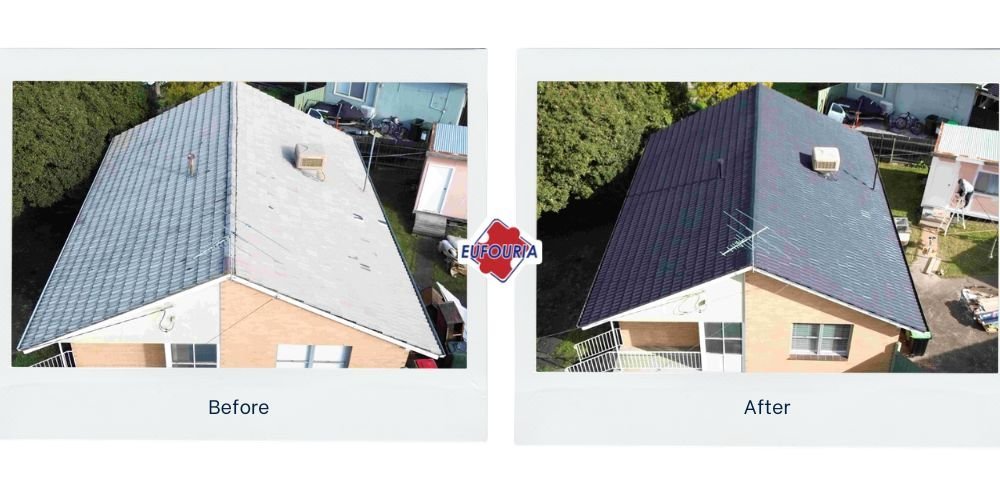
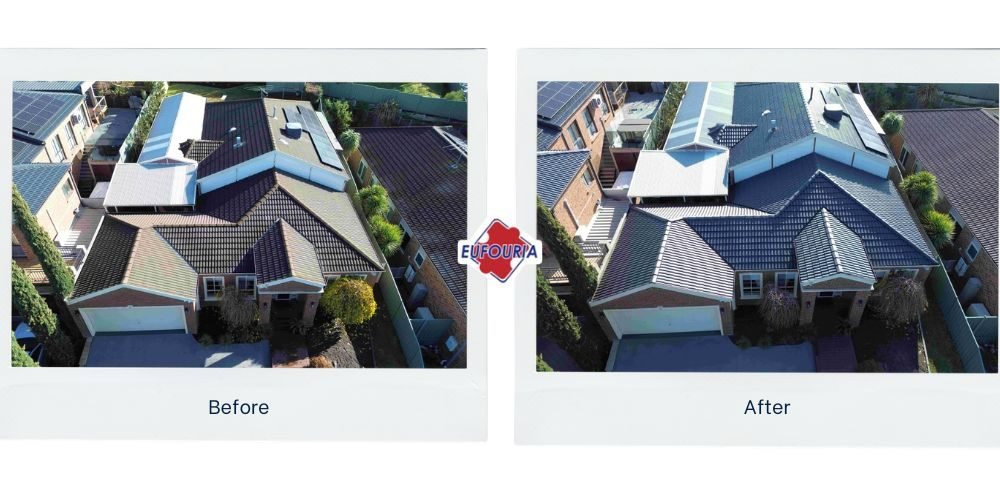
No. Recoating and roof restoration are different services. Recoating replaces the protective topcoat on a roof that’s otherwise structurally sound. Roof restoration is a broader process that includes repointing ridge caps, replacing damaged tiles, repairing flashing, and then recoating as the final step.
If your roof coating has failed but the tiles, ridge caps, and flashing underneath are still in good condition, recoating alone may be enough. Along with the coating issue, a Blackburn house that needs comprehensive roof restoration typically has other problems, including cracked tiles, loose ridge caps, or flashing failure.
How Do You Know If You Need Recoating vs. Full Restoration?
A professional roof inspection is the only reliable way to tell the difference. An inspector checks:
- Coating condition across all roof sections, not just visible areas
- Tile condition, including cracks or movement
- Ridge cap bedding and pointing
- Flashing around chimneys, vents, and roof junctions
- Signs of moisture inside the roof cavity
If the inspection shows coating failure only, recoating solves the problem. If tiles, ridge caps, or flashing are also compromised, restoration is the right call.
Ready to Recoat? Here’s What to Do Next
Chalking, fading, and hairline cracks are early warnings. Blistering, peeling, and ponding water mean the coating has already failed. Catching these signs early is what separates a straightforward recoat from a full roof restoration.
Eufouria inspects roof coatings across Melbourne and gives homeowners a clear answer: recoat, restore, or repair. Our team checks the coating, tiles, ridge caps, and flashing in one visit, so you know exactly what your roof needs before costs escalate.
Notice signs of a failed roof coating on your home?
Book a roof inspection with Eufouria today and get a clear, honest assessment before small problems become expensive ones.
-
 August 14,2026
Dark Ceiling Stains After Rain: Causes And First Steps
-
July 6,2026
Ageing Roofs in Melbourne Homes: Repair Now or Wait It Out
-
June 10,2026
Cracked roof tiles vs. damaged ridge caps: repair differences and costs
-
May 18,2026
How to Extend the Life of an Aging Roof
-
April 7,2026
How Wind Lifts Roof Tiles (And How to Prevent It)
-
March 13,2026
Roof Flashing Around Chimney Is Leaking
-
February 3,2026
Possum vs. Roofer: Who is Actually Responsible for That Hole?
-
January 12,2026
Why Your Roof Restoration Must Include Pest-Proofing
-
December 19,2025
How Gutter Pitch Errors Lead to Roof Valley Damage
-
November 27,2025
How to Spot a Dodgy Roof Quote in Melbourne
-
November 13,2025
Maintenance Tips for Slatted Roof Systems in Melbourne
-
October 30,2025
Colour & Style Trends for Roofing in Melbourne
-
October 7,2025
How to Prevent & Fix Flat Roof Leaks in Melbourne
-
September 29,2025
Role Of Ember Attack In Roof Ignition & How To Prevent It
-
September 16,2025
Roof Ventilation and Repairs: Why Melbourne Homes Overheat
-
August 19,2025
Roof Leak or Plumbing Leak? How to Tell the Difference in Homes
-
August 4,2025
Gutter and Roof Safety Tips Before Bushfire Season in Victoria
-
July 18,2025
The Ultimate Roof & Gutter Maintenance Checklist for Melbourne Homeowners
-
July 9,2025
Guide to Roof Tile Types in Australia and How to Repair Them
-
June 26,2025
Metal vs. Asphalt: Which Roofing Material Lasts Longer?
-
June 6,2025
Drones in Roofing: How We Inspect Roofs Safely and Quickly in Melbourne
-
May 14,2025
5 Common Roof Problems in Coastal Areas (and How to Prevent Them)
-
April 16,2025
Dealing with Gutter Blockages During Melbourne’s Rainy Season: Repair Tips & Tricks
-
March 27,2025
Tile Roof Restoration – Key Signs Your Tiled Roof Needs Attention
-
March 7,2025
How to Get Your House Ready for Roof Restoration
-
February 28,2025
Why Is Your Roof Paint Peeling? Top Causes and Solutions
-
February 10,2025
The Importance of Roof Inspections Before Buying a Home in Melbourne
-
January 15,2025
Heat-Reflective Roof Restoration Coatings Lower Energy Bills
-
January 9,2025
The Hidden Dangers of Roof Mould: How It Affects Your Home and Health
-
December 26,2024
Why Melbourne’s Summer Is the Ideal Season for Roof Restoration
-
December 17,2024
Rooftops Around the World: Comparative Analysis With Australia’s Superior Guidelines
-
November 25,2024
Why Gutter Cleaning in Melbourne is Crucial Before the Winter Season
-
October 19,2024
Common Roof Problems in Melbourne: Causes and Effective Solutions
-
September 30,2024
Roof Repair Signs: What Every Melbourne Homeowner Should Know
-
September 23,2024
Tips to Maintain and Extend the Life of Your Restored Roof in Melbourne
-
August 26,2024
The Complete Guide for Roof Inspections and Restorations
-
August 12,2024
Restoration vs. Repairs: Choose the Right One for Your Home


