



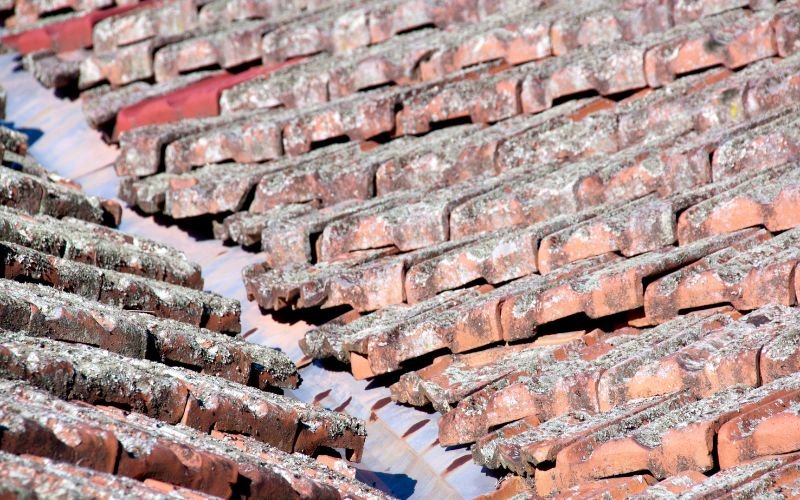
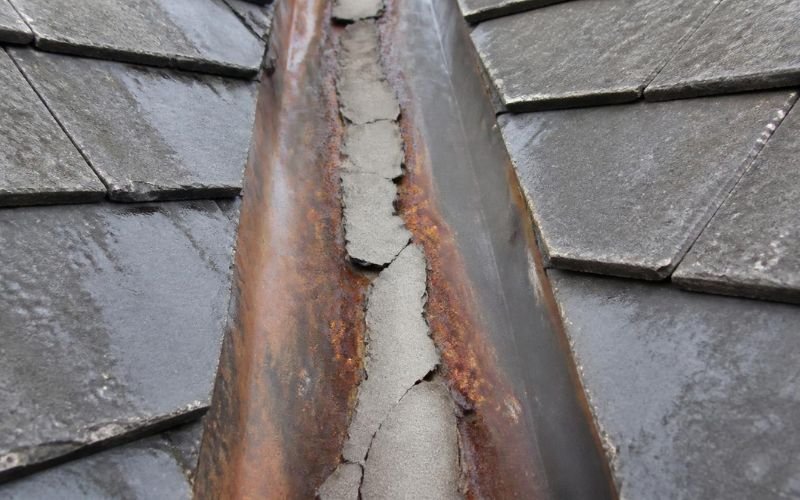
Replace your valley irons once rust has eaten into the metal. Pinholes, flaking or holes along the valley mean the metal can no longer hold water, and no coating will fix that. Light surface rust is different. A clean and a check can buy you time.
Roof valleys carry more water than any other part of a tiled roof. Every drop from two roof planes funnels into one narrow metal channel. That load, plus trapped leaves and moisture, makes valleys the first part of most older Melbourne roofs to fail.
This guide shows you how to read the stages of valley rust and when patching stops making sense. It also covers what replacement costs and when to schedule it so you avoid paying for the same work twice.
Key takeaways
- Valley irons rust faster than the rest of the roof because they carry the most water and trap leaf litter.
- Original galvanised valleys typically last around 20 to 30 years, so many older Melbourne homes are due for replacement now.
- Surface rust can be monitored. Bubbling, pinholes or holes mean replacement, not repair.
- Sealant over rusted metal is a short-term fix that usually fails within a few seasons.
- Replacement typically costs $400 to $800 per valley, depending on length, roof height, pitch and ridge work.
- Replace valleys before rebedding or restoring your roof, or you’ll pay for the ridge work twice.
Why Valley Irons Rust Before the Rest of Your Roof
A roof valley is the V-shaped metal channel where two roof planes meet. It collects the runoff from both sides and carries it to the gutter. No other part of the roof handles that much water, and that workload wears the metal out first.
Leaf litter and eucalypt sap trap moisture
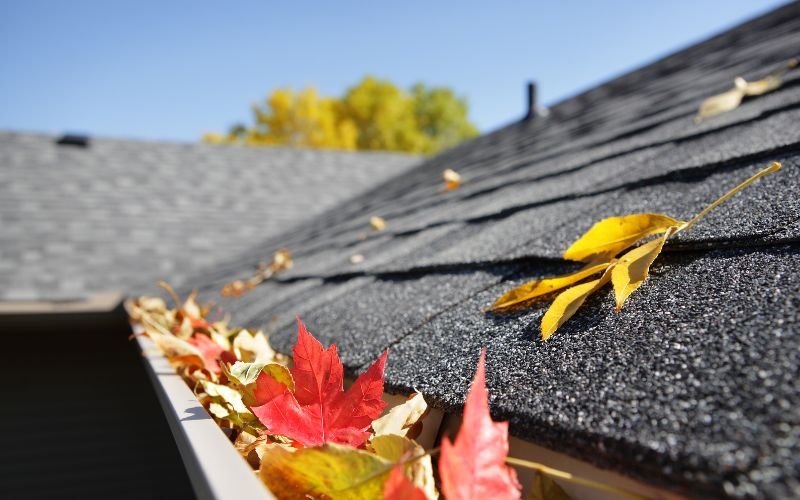
Leaves settle in valleys and hold water against the metal long after rain stops. The metal never fully dries, so rust takes hold. Eucalypt leaves cause the most damage. Their oils and sap break down protective coatings faster than other leaf litter. Many of the roof repairs in Blackburn we carry out start with a valley packed with leaves from the established trees that line the suburb’s streets.
Galvanised valleys on older roofs have run their course
Builders used galvanised steel for valleys on most tiled roofs until the 1990s. The zinc coating protects the steel underneath, but it wears away over time. Once it goes, the bare steel rusts quickly. A galvanised valley installed 25 or 30 years ago is now at or past the end of its working life.
Debris dams overflow in storms after dry spells
Dry weeks let debris build up in the valley. When a heavy storm finally hits, that debris forms a dam. Water backs up, spills over the valley edges and runs under the tiles into the roof cavity. A valley can leak this way even when the metal is still sound.
Installation faults that speed up corrosion
Some valleys fail early because of how they went in. Sarking that overhangs the valley edges can direct water into the roof cavity instead of the channel. Mortar bedding along the valley sides holds moisture against the metal and draws water in under the tiles. Neither belongs there, and both shorten a valley’s life.
The Four Stages of Valley Rust and What Each One Means
Valley rust follows a predictable path. Knowing the stage tells you how much time you have.
| Stage | What you’ll see | Urgency | Recommended action |
| 1. Surface rust | Orange tinge or light staining, metal still firm | Low | Clear debris, check yearly |
| 2. Bubbling and flaking | Coating lifting, rust scale forming | Medium | Book an inspection and plan replacement within a year |
| 3. Pinholes | Small holes, daylight visible from the roof cavity | High | Replace before the next storm season |
| 4. Perforation | Open holes, crumbling edges, rusted-through sections | Urgent | Replace now and check the timber and ceiling below |
Homes in the Dandenong foothills tend to move through these stages faster. Shade, damp air and constant leaf drop keep valleys wet for longer. Many roof repairs in Ferntree Gully involve valleys that reached stage three before the owners noticed anything wrong.
Signs inside the house before the rust is visible
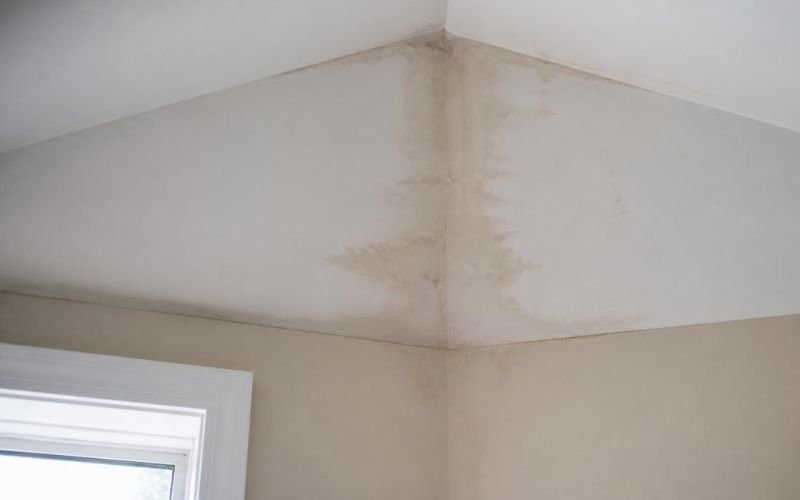
You usually can’t see a valley from the ground, but your house gives early warnings. Watch for ceiling stains that line up under a valley, damp or musty smells in the roof cavity, or water marks on the timber under the valley. Valley leaks usually start small and grow with each storm. A stain that spreads a little after every downpour points to a rusting valley rather than a one-off problem.
Patch, Seal or Replace? Making the Right Call
The stage of rust decides the answer. Stage one needs cleaning and monitoring. Stages three and four need replacement. Stage two is the judgement call, and an on-roof inspection settles it.
Many roof repairs in Mount Waverley involve homes built in the post-war decades, where the original galvanised valleys have already been patched more than once. Repeated patching is a sign the metal has reached the end of its life.
Why sealant over rusted metal is a short-term fix
Sealant can stop a small leak for a while. It cannot stop the rust underneath. The corrosion keeps spreading under the patch, and the sealant lifts as the metal moves with heat and cold. Most patches fail within a few seasons, and you end up paying for the repair and then the replacement.
Valley seal foam strips: when they help and when they cause trouble
Valley seal is a foam strip fitted along both edges of the valley, under the tiles. It can keep out wind-driven rain, leaves, birds and pests. The downside is durability. Foam breaks down in sun and weather, and degraded pieces can drop into the valley and block the flow. Valley seal works best as an add-on to a new valley, inspected during regular maintenance. It is not a fix for a rusted one.
Roof Valley Replacement Cost in Melbourne: What Changes the Price
Valley replacement at typically costs $400 to $800 per valley. Most homes have between two and six valleys. Your final price depends on these factors:
| Cost driver | Why it matters |
| Valley length | Longer valleys need more metal and more tiles lifted and relaid |
| Storey height | Double-storey roofs need extra safety equipment and setup time |
| Roof pitch | Steep roofs take longer to work on safely |
| Tile type | Old terracotta tiles break more easily when lifted, so some may need replacing |
| Ridge work | Ridge caps at the top of the valley must come off and be rebedded |
| Valley board condition | Rotted or sagging timber under the valley needs repair before the new metal goes in |
Why quotes for the same job can vary threefold
Two quotes for the same valley can sit hundreds of dollars apart because they cover different work. One quote may include the ridge rebedding, broken tile replacement and old metal removal. Another may leave those out and add them later. Ask every roofer to itemise what’s included, so you compare like with like.
Replace Valleys Before Rebedding or Restoration, Not After
The top of each valley sits under the ridge capping. To replace a valley, the roofer removes the ridge caps at its head and lifts the tiles along both sides. If you rebed and repoint the ridges first, valley replacement later breaks that new work. You pay for the same ridge section twice.
Roof restoration follows the same logic. Lifting coated tiles to swap a valley damages the fresh coating. The right order is:
- Replace the valleys.
- Rebed and repoint the ridges.
- Clean the roof.
- Apply the coating.
If your roof is due for restoration and the valleys show stage two rust or worse, replace them as part of the same job. You also save on setup costs by bundling the work.
What a Proper Valley Replacement Should Include
Use this checklist to compare quotes and check the finished job:
- New valley irons in Colorbond or Zincalume, not galvanised steel
- Valley boards checked and repaired or packed so the new valley sits at the right height
- Sarking folded back clear of the valley edges
- No mortar bedding along the valley sides
- Cut tiles along the valley secured with valley clips
- The valley finishing correctly into the gutter, neither too short nor overshooting it
- Ridge caps at the valley head rebedded and pointed with flexible pointing compound
- Old metal removed and disposed of
- Before and after photos and a written warranty
Colorbond vs Zincalume vs galvanised: which material lasts longest
Galvanised steel costs the least but has the shortest life. Zincalume uses an aluminium-zinc coating that resists corrosion far better than galvanising. Colorbond adds a baked paint finish over a Zincalume base. That extra layer protects the metal further and lets you match the valley to your roof colour. For tiled roofs under trees, Colorbond is the strongest choice. Avoid pairing Zincalume valleys with copper, because copper runoff corrodes the coating.
Get Your Valleys Checked Before Storm Season Peaks
Rusted valleys don’t fix themselves, and they don’t fail all at once. Each storm pushes a little more water through the damage. Light surface rust gives you time. Pinholes and holes mean the next heavy downpour could reach your ceiling.
The cheapest valley replacement is the one you plan. Catch rust at stage two and you can schedule the work, bundle it with any ridge or restoration jobs, and avoid water damage inside. Wait until stage four and you may be paying for ceiling repairs too.
Eufouria inspects roof valleys across Melbourne and tells you exactly what stage yours are at. We replace rusted valleys with Colorbond or Zincalume, rebed the ridge caps at each valley head, and provide before and after photos so you see the finished work.
Book a roof inspection with Eufouria today and find out whether your valleys need attention before the next big storm.
Book Your Roof Valley Repair
-
 October 12,2026
Signs Your Roof Coating Has Failed and Needs Recoating
-
August 14,2026
Dark Ceiling Stains After Rain: Causes And First Steps
-
July 6,2026
Ageing Roofs in Melbourne Homes: Repair Now or Wait It Out
-
June 10,2026
Cracked roof tiles vs. damaged ridge caps: repair differences and costs
-
May 18,2026
How to Extend the Life of an Aging Roof
-
April 7,2026
How Wind Lifts Roof Tiles (And How to Prevent It)
-
March 13,2026
Roof Flashing Around Chimney Is Leaking
-
February 3,2026
Possum vs. Roofer: Who is Actually Responsible for That Hole?
-
January 12,2026
Why Your Roof Restoration Must Include Pest-Proofing
-
December 19,2025
How Gutter Pitch Errors Lead to Roof Valley Damage
-
November 27,2025
How to Spot a Dodgy Roof Quote in Melbourne
-
November 13,2025
Maintenance Tips for Slatted Roof Systems in Melbourne
-
October 30,2025
Colour & Style Trends for Roofing in Melbourne
-
October 7,2025
How to Prevent & Fix Flat Roof Leaks in Melbourne
-
September 29,2025
Role Of Ember Attack In Roof Ignition & How To Prevent It
-
September 16,2025
Roof Ventilation and Repairs: Why Melbourne Homes Overheat
-
August 19,2025
Roof Leak or Plumbing Leak? How to Tell the Difference in Homes
-
August 4,2025
Gutter and Roof Safety Tips Before Bushfire Season in Victoria
-
July 18,2025
The Ultimate Roof & Gutter Maintenance Checklist for Melbourne Homeowners
-
July 9,2025
Guide to Roof Tile Types in Australia and How to Repair Them
-
June 26,2025
Metal vs. Asphalt: Which Roofing Material Lasts Longer?
-
June 6,2025
Drones in Roofing: How We Inspect Roofs Safely and Quickly in Melbourne
-
May 14,2025
5 Common Roof Problems in Coastal Areas (and How to Prevent Them)
-
April 16,2025
Dealing with Gutter Blockages During Melbourne’s Rainy Season: Repair Tips & Tricks
-
March 27,2025
Tile Roof Restoration – Key Signs Your Tiled Roof Needs Attention
-
March 7,2025
How to Get Your House Ready for Roof Restoration
-
February 28,2025
Why Is Your Roof Paint Peeling? Top Causes and Solutions
-
February 10,2025
The Importance of Roof Inspections Before Buying a Home in Melbourne
-
January 15,2025
Heat-Reflective Roof Restoration Coatings Lower Energy Bills
-
January 9,2025
The Hidden Dangers of Roof Mould: How It Affects Your Home and Health
-
December 26,2024
Why Melbourne’s Summer Is the Ideal Season for Roof Restoration
-
December 17,2024
Rooftops Around the World: Comparative Analysis With Australia’s Superior Guidelines
-
November 25,2024
Why Gutter Cleaning in Melbourne is Crucial Before the Winter Season
-
October 19,2024
Common Roof Problems in Melbourne: Causes and Effective Solutions
-
September 30,2024
Roof Repair Signs: What Every Melbourne Homeowner Should Know
-
September 23,2024
Tips to Maintain and Extend the Life of Your Restored Roof in Melbourne
-
August 26,2024
The Complete Guide for Roof Inspections and Restorations
-
August 12,2024
Restoration vs. Repairs: Choose the Right One for Your Home


