



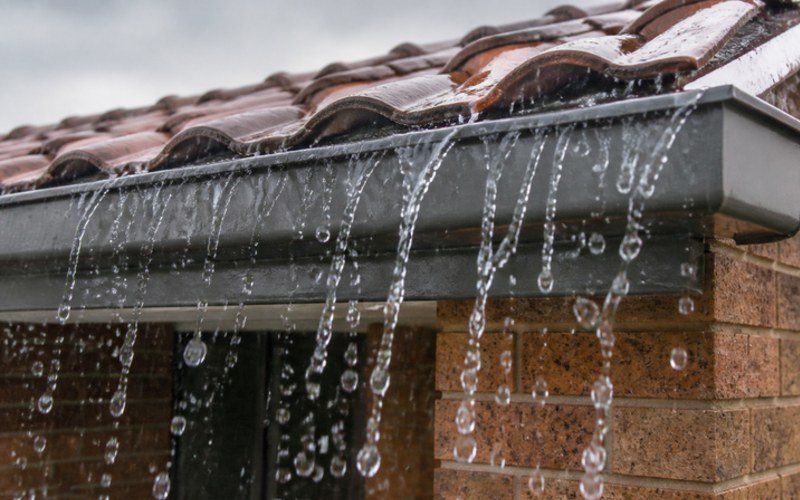
Water spilling over your gutters when it rains means the water can’t reach your downpipes. In most cases, something is blocking the gutter, the outlet, or the downpipe. Sometimes the gutter is sagging, sloped the wrong way, or too small for the roof.
Overflow is easy to dismiss as a heavy-rain problem. But each overflow sends water where it shouldn’t go. It soaks fascia boards, wets your walls, and pools around your foundations. If water spills behind the gutter, it can reach your eaves and roof space.
The good news is that the overflow itself tells you a lot. Where the water spills points to the likely cause. This guide shows you how to read those signs from the ground, what each one means for Melbourne homes, and when to call a professional.
Key Takeaways
- Gutters overflow when rainwater can’t flow freely into the downpipes, usually because of a blockage.
- Where the water spills points to the cause: along the whole gutter suggests built-up debris, and at a corner suggests a blocked outlet or downpipe.
- Gutters can overflow even when they look clean if the downpipe, stormwater connection, gutter slope, or gutter size is the problem.
- Water spilling behind the gutter is more serious than water spilling over the front, as it can reach the eaves and roof space.
- Melbourne homes near gum trees and other large trees often need gutter cleaning more than once a year to prevent overflow.
Why Are My Gutters Overflowing When It Rains?
Your gutters overflow because rainwater can’t reach the downpipes fast enough. Something in the system is slowing or stopping the flow. The most common culprit is a blockage in the gutter, the outlet, or the downpipe.
A brief spill during a sudden downpour can happen on a healthy system. Regular overflow in normal rain is different. It points to a problem that will keep getting worse.
Think of overflow as a symptom. The real answer lies where the water is meant to drain.
Where Is the Water Spilling? How to Read the Overflow From the Ground
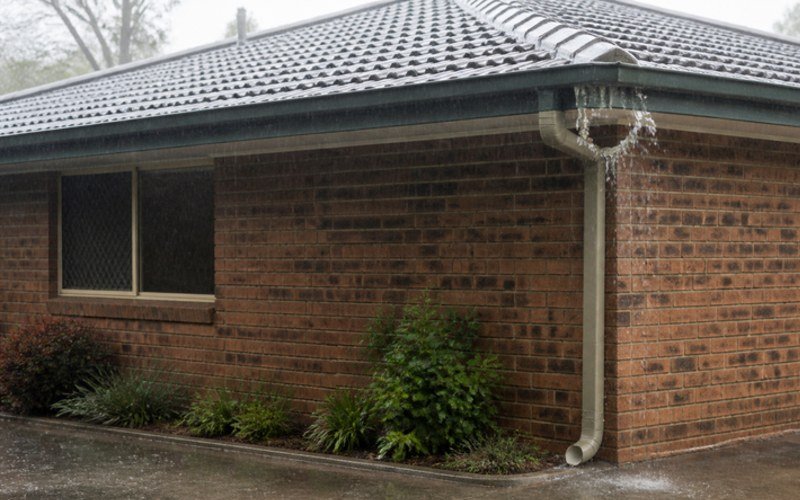
The spot where water spills tells you the likely cause. Watch your gutters during the next rain from a window or under cover. Then match what you see to the table below.
| Where the water spills | Likely cause | What to do |
| Over the front along the whole gutter | Debris built up inside the gutter | Book a gutter clean |
| At the corner near a downpipe | Blocked outlet or downpipe | Clear the outlet and flush the downpipe |
| Little or no water leaving the downpipe | Blocked downpipe | Flush the downpipe or call a professional |
| Water bubbling up at ground level | Blocked stormwater connection | Call a licensed plumber |
| Below a roof valley | Fast-flowing water overshooting the gutter | Get the gutter capacity assessed |
| At one low point, with water sitting after rain | Sagging gutter or wrong fall | Have the brackets re-aligned |
| Behind the gutter, down the fascia | Back overflow | Arrange an inspection quickly |
What Does Water Spilling Along the Whole Gutter Mean?
Water spilling along the whole gutter means the gutter itself is full of debris. Leaves and grit settle at the bottom and form a thick sludge. The gutter can look fine from the ground while it sits half full. Plants growing out of the gutter confirm the debris has been there a long time. At this stage, professional gutter cleaning is the fastest way to clear the sludge and restore the flow.
What Does Water Spilling at the Downpipe Corner Mean?
Water spilling at a corner means the outlet or downpipe is blocked. Leaves often mat over the outlet hole. Debris also jams at the first bend in the downpipe. Check the bottom of the downpipe during rain. A weak trickle or no flow confirms the blockage.
What Does Water Pouring Below a Roof Valley Mean?
Water pouring below a roof valley usually means the gutter can’t handle the volume. A roof valley is where two roof slopes meet. Water runs faster down a valley than across a flat roof section. In heavy rain, it can shoot straight over the gutter.
What Blocks Gutters in Melbourne Homes?

Leaves are the main cause of blocked gutters in Melbourne. Gum trees add to the problem. They drop leaves, bark strips, and seed pods all year round, not just in autumn.
Your roof also sends debris into the gutters. Aging concrete tiles shed grit and granules as they wear. A failing roof coating breaks down and washes into the gutter in the same way. This fine material settles and hardens around outlets.
Wildlife causes blockages too. Birds build nests in gutters and outlets. Possums drag leaves and twigs across the roof.
Homes on leafy streets need regular attention. Their gutters often need cleaning more than once a year to keep outlets clear.
Why Do Gutters Overflow Even When They Look Clean?
Clean gutters can still overflow if the problem sits further down the system. The downpipe, stormwater connection, gutter slope, or gutter size may be at fault.
Is the Downpipe or Stormwater Connection Blocked?
A blocked downpipe is the most likely cause when the gutters look clean. Many Melbourne downpipes connect to underground stormwater drains. You can’t see these pipes. A blockage underground makes water back up the downpipe and spill out of the gutter. Water bubbling up at the base of the downpipe is a clear sign.
Is the Gutter Sagging or Sloped the Wrong Way?
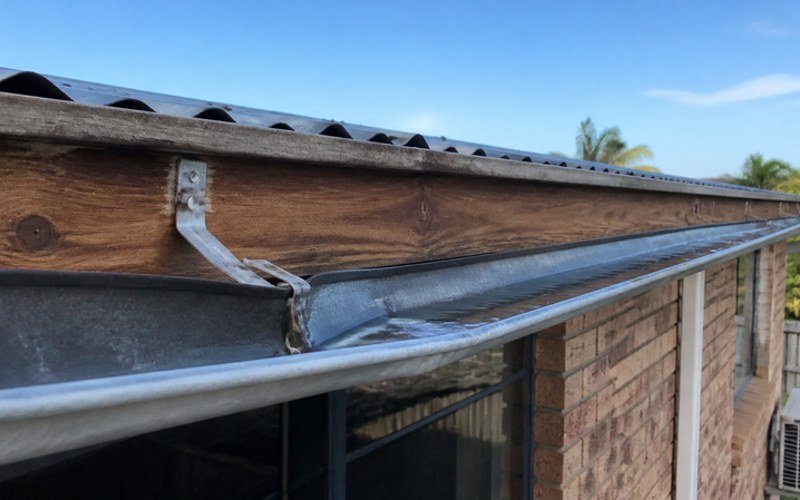
Gutters need a slight slope towards the downpipe to drain properly. This slope is called the fall. The ABCB Housing Provisions require eaves gutters to have a fall of at least 1:500, with no more than 12 metres of gutter served by each downpipe. A fall of 1:500 means a 2 mm drop for every metre. Loose brackets or heavy wet debris can make a gutter sag. Water then pools at the low point and spills over.
Are the Gutters Too Small for the Roof?
Some gutters are simply too small for the roof they serve. Large or steep roofs send a lot of water into one gutter. Too few downpipes make the problem worse. If your gutters cope with light rain but overflow in every heavy storm, capacity is the likely issue.
What Damage Can Overflowing Gutters Cause?
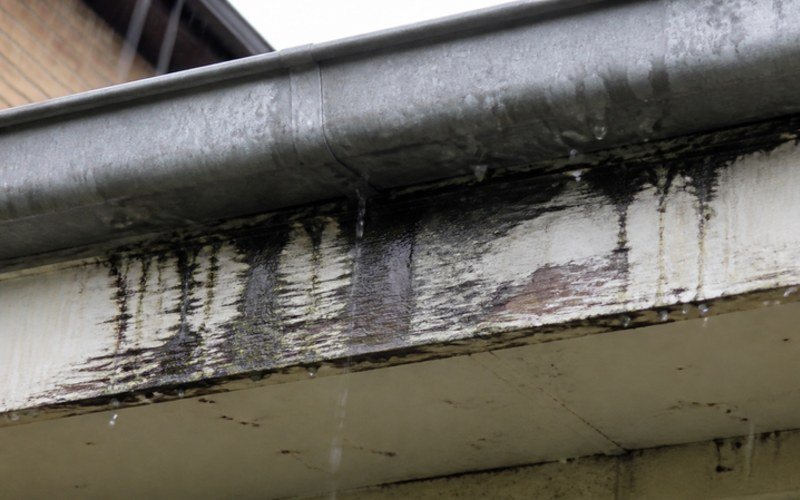
Overflowing gutters send water onto your fascia, walls, and foundations. Repeated overflow rots timber fascia boards. It stains and dampens external walls. It also soaks the soil around your foundations, which can lead to movement and cracking over time.
Why Is Water Spilling Behind the Gutter the Bigger Risk?
Water spilling behind the gutter is more serious than water spilling over the front. Water at the back runs down the fascia and into the eaves. From there, it can reach the roof space and your ceilings.
Australian standards address this risk directly. AS/NZS 3500.3 requires eaves gutters and downpipes to be designed and installed so water won’t flow back into the building. But many homes use high-fronted gutters. These popular designs hide the lower edge of the roof, and their high front can push overflow towards the back. A blockage in this type of gutter can send water straight towards your eaves.
Dark patches on your ceiling after rain can be a sign of this problem. If water has already reached the roof space, roof repairs in Camberwell and other older suburbs often include fixing rotted fascia and damaged sarking. Our guide to dark ceiling stains after rain explains the causes and first steps.
Can Box Gutter Overflow Bring Water Inside the Home?
Yes, box gutter overflow can bring water inside the home. A box gutter sits within the roof, often between two roof sections or behind a parapet wall. When it overflows, water has nowhere to go but inwards. Box gutters also need a steeper minimum fall of 1:100, so a small sag or blockage can quickly cause trouble. Treat any box gutter overflow as urgent.
What Should You Do When Your Gutters Overflow?
Start by working out where the water spills, using the table above. Then decide what you can check safely and what needs a professional.
What Can You Safely Check Yourself?
You can do several checks from the ground:
- Watch where the water spills during rain.
- Check how much water leaves the bottom of each downpipe.
- Look for water bubbling up at stormwater grates or downpipe bases.
- Look for sagging sections, gaps behind the gutter, or plants in the gutter.
On a dry day, you can flush an accessible downpipe with a garden hose. Avoid climbing a ladder in wet or windy weather. Never work on a roof alone.
When Should You Call a Professional?
Call a professional when the overflow keeps coming back or the gutters are hard to reach. You also need help for two-storey homes, box gutters, sagging gutters, and water spilling behind the gutter. A blocked underground stormwater pipe needs a licensed plumber.
A proper clean covers more than the gutter itself. When you book a gutter clean, ask whether the service includes flushing every downpipe and checking the outlets. A gutter clean that leaves the downpipes blocked won’t stop the overflow.
How Often Should Melbourne Gutters Be Cleaned to Stop Overflow?
Most Melbourne homes need their gutters cleaned at least once or twice a year. Homes near large trees often need more frequent cleans. Late autumn clears the leaf drop before winter rain. Late spring prepares the gutters for summer storms and fire season.
Dry debris in gutters is also a bushfire risk. The CFA advises keeping gutters clear of leaves and twigs during the warmer months and checking them again after windy days. Embers are burning pieces of bark, leaves, and twigs, and dry gutter debris gives them fuel.
Gutter guards reduce how often debris enters the gutters. They don’t remove the need for cleaning. Fine grit and small leaves still get through, and debris can build up on top of the guard.
Set a regular schedule that suits your property. A late-autumn and late-spring clean works for most Melbourne homes. Regular gutter care also protects your roof as it ages. Our guide on how to extend the life of an aging roof in Melbourne covers this in more detail.
Stop Gutter Overflow Before It Becomes Roof Damage
Water spilling over your gutters is a warning sign, not just a nuisance. Where the water spills tells you the likely cause. A full gutter, a blocked downpipe, a sagging section, or an undersized system each needs a different fix. Water spilling behind the gutter needs the fastest response, as it can reach your eaves and roof space.
Eufouria helps Melbourne homeowners solve gutter overflow at the source. Our team clears gutters by hand, flushes downpipes, and checks for sagging sections and back overflow. We also inspect the roof for worn tiles, failing coatings, and other sources of debris. If overflow has already caused damage, we can repair it before it spreads.
Don’t wait for the next storm to find out what’s in your gutters. Contact Eufouria today to book a gutter clean and roof check for your Melbourne home.
Book Your Gutter Clean
-
 October 17,2026
Rusted Roof Valleys: When to Replace Valley Irons and What It Costs
-
October 12,2026
Signs Your Roof Coating Has Failed and Needs Recoating
-
August 14,2026
Dark Ceiling Stains After Rain: Causes And First Steps
-
July 6,2026
Ageing Roofs in Melbourne Homes: Repair Now or Wait It Out
-
June 10,2026
Cracked roof tiles vs. damaged ridge caps: repair differences and costs
-
May 18,2026
How to Extend the Life of an Aging Roof
-
April 7,2026
How Wind Lifts Roof Tiles (And How to Prevent It)
-
March 13,2026
Roof Flashing Around Chimney Is Leaking
-
February 3,2026
Possum vs. Roofer: Who is Actually Responsible for That Hole?
-
January 12,2026
Why Your Roof Restoration Must Include Pest-Proofing
-
December 19,2025
How Gutter Pitch Errors Lead to Roof Valley Damage
-
November 27,2025
How to Spot a Dodgy Roof Quote in Melbourne
-
November 13,2025
Maintenance Tips for Slatted Roof Systems in Melbourne
-
October 30,2025
Colour & Style Trends for Roofing in Melbourne
-
October 7,2025
How to Prevent & Fix Flat Roof Leaks in Melbourne
-
September 29,2025
Role Of Ember Attack In Roof Ignition & How To Prevent It
-
September 16,2025
Roof Ventilation and Repairs: Why Melbourne Homes Overheat
-
August 19,2025
Roof Leak or Plumbing Leak? How to Tell the Difference in Homes
-
August 4,2025
Gutter and Roof Safety Tips Before Bushfire Season in Victoria
-
July 18,2025
The Ultimate Roof & Gutter Maintenance Checklist for Melbourne Homeowners
-
July 9,2025
Guide to Roof Tile Types in Australia and How to Repair Them
-
June 26,2025
Metal vs. Asphalt: Which Roofing Material Lasts Longer?
-
June 6,2025
Drones in Roofing: How We Inspect Roofs Safely and Quickly in Melbourne
-
May 14,2025
5 Common Roof Problems in Coastal Areas (and How to Prevent Them)
-
April 16,2025
Dealing with Gutter Blockages During Melbourne’s Rainy Season: Repair Tips & Tricks
-
March 27,2025
Tile Roof Restoration – Key Signs Your Tiled Roof Needs Attention
-
March 7,2025
How to Get Your House Ready for Roof Restoration
-
February 28,2025
Why Is Your Roof Paint Peeling? Top Causes and Solutions
-
February 10,2025
The Importance of Roof Inspections Before Buying a Home in Melbourne
-
January 15,2025
Heat-Reflective Roof Restoration Coatings Lower Energy Bills
-
January 9,2025
The Hidden Dangers of Roof Mould: How It Affects Your Home and Health
-
December 26,2024
Why Melbourne’s Summer Is the Ideal Season for Roof Restoration
-
December 17,2024
Rooftops Around the World: Comparative Analysis With Australia’s Superior Guidelines
-
November 25,2024
Why Gutter Cleaning in Melbourne is Crucial Before the Winter Season
-
October 19,2024
Common Roof Problems in Melbourne: Causes and Effective Solutions
-
September 30,2024
Roof Repair Signs: What Every Melbourne Homeowner Should Know
-
September 23,2024
Tips to Maintain and Extend the Life of Your Restored Roof in Melbourne
-
August 26,2024
The Complete Guide for Roof Inspections and Restorations
-
August 12,2024
Restoration vs. Repairs: Choose the Right One for Your Home


